Two decades on the Front Range, through Colorado’s hail, frozen pipes, hidden mold, and basement floods.
We handle the documentation and talk to your adjuster, so you can focus on your home.
Financing options so the work can start now, even when the full cost lands later.
Hail damage is one of those things you usually cannot judge from the driveway. A roof can look completely fine from the ground and still have hits that matter, and it can look beat up and be perfectly serviceable. Which is why it is so easy to get this wrong in either direction.
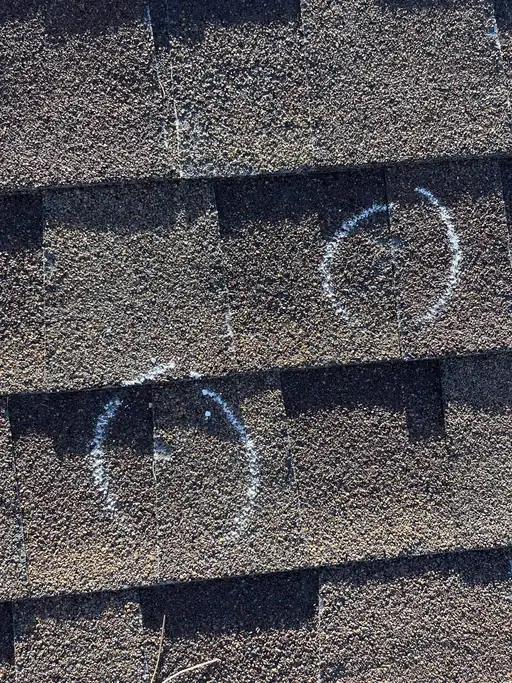
The kind of damage that matters is a bruise: a spot where the hail hit hard enough to fracture the shingle and break the seal underneath. You often cannot see it from the ground, and sometimes not even from the roof without knowing where to press. That is the damage that shortens a roof's life and lets water in later.
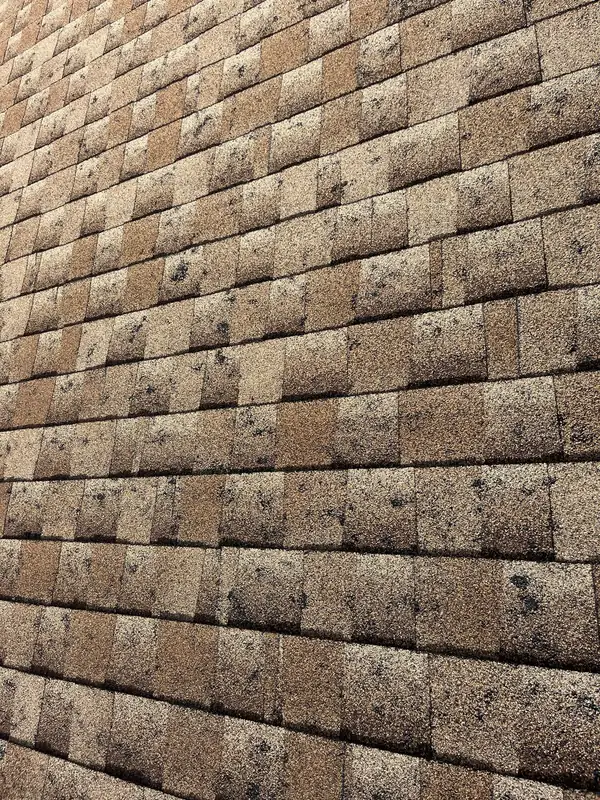
What looks alarming but often is not is surface stuff. That black sand washing into your gutters is the protective coating coming off the shingles, and losing some of it in a storm does not, on its own, mean you need a new roof. Cosmetic dents and dings can be the same story.
The only way to know which one you are dealing with is for someone to get up there and look closely. That is the whole reason we lead with the look, not the pitch. Here is what hail damage looks like up close.
None of this is carriers being unfair. The math is just catching up with everyone. It means the old reflex of file first, ask questions later can quietly work against you now, so we work from one principle:
File when it's worth filing.
This is the question most people are actually sitting with after a storm, and it is the one we spend the most time on with homeowners. We get on the roof and assess the damage before you call your insurance company. Filing starts a record whether or not you ever see a dollar, so find out what is actually up there first. From there, a few things shape whether filing makes sense for you: how much real damage there is, your deductible, how old the roof is, and what your situation can absorb. Those are factors to weigh together, not a formula, and the right answer for your neighbor might be the wrong one for you.
With the way insurance works in Colorado now, it pays to think past this one storm. So the move is to work with your insurance for the long haul, not against it: file the claims that genuinely make sense, document them well, and protect your standing for the losses that really matter later. When the damage is real, we document it thoroughly and work in step with your adjuster so the claim reflects the full scope of what happened. When it is not, we will tell you, and give you a fair price for the work you actually need.
Colorado also passed strong roofing laws after years of homeowners getting burned by storm chasers. One of them makes it illegal for a roofer to pay or waive your deductible, so if someone offers, that is your cue to show them the door. We will not manufacture damage, inflate a scope, or push you toward a claim to land a job. That is what doing what is best for you, not what is easiest for us, looks like.
A roof repair typically starts at $750 and runs up to a couple thousand dollars. A full replacement lands between $12,000 and $20,000. On a storm or hail claim, what you actually pay is usually your deductible.
On your roof. On your side.
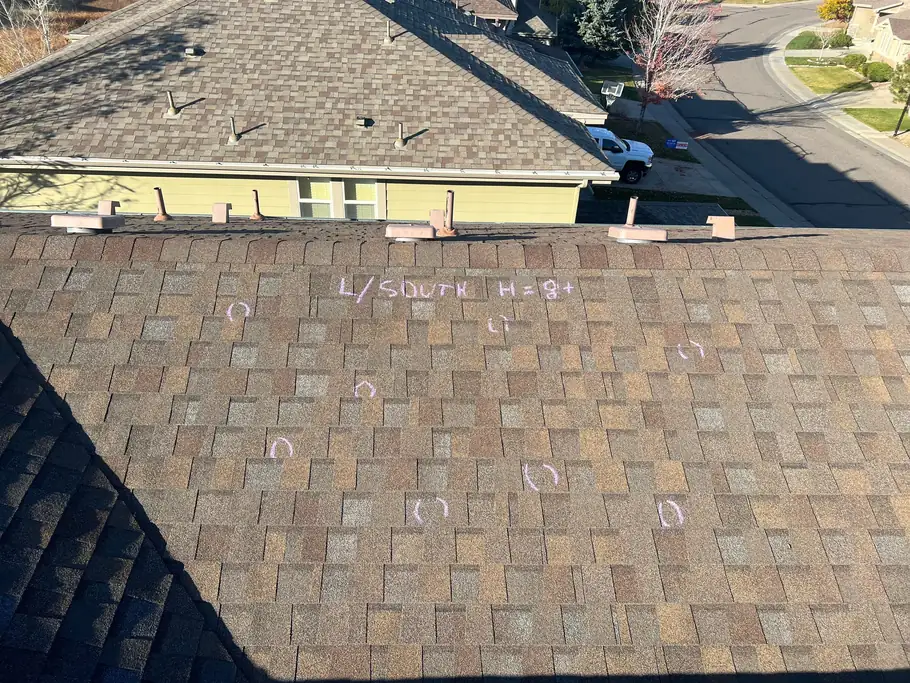
We get on the roof and into the attic, and we check the wood under your shingles, not just the surface. You get a clear assessment of what the storm did, with photos, not a verdict shouted up from the driveway.
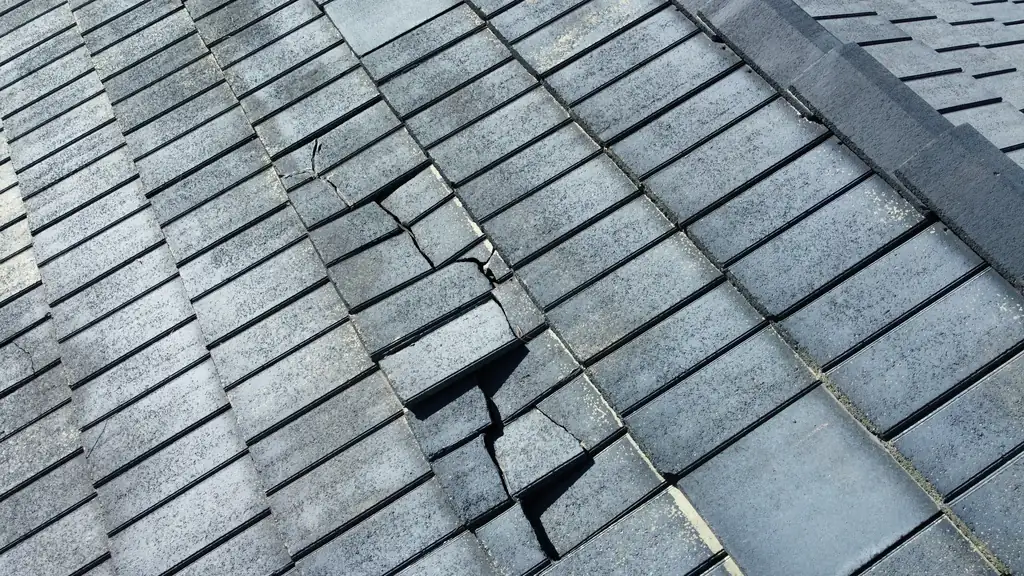
We walk you through it so you can see it for yourself. Real damage or not, you'll understand what we're looking at and why it does or doesn't matter.
We document the damage, meet your adjuster on site, and work through the scope and any supplements together so the claim reflects what actually happened. You're not left to translate insurance on your own.
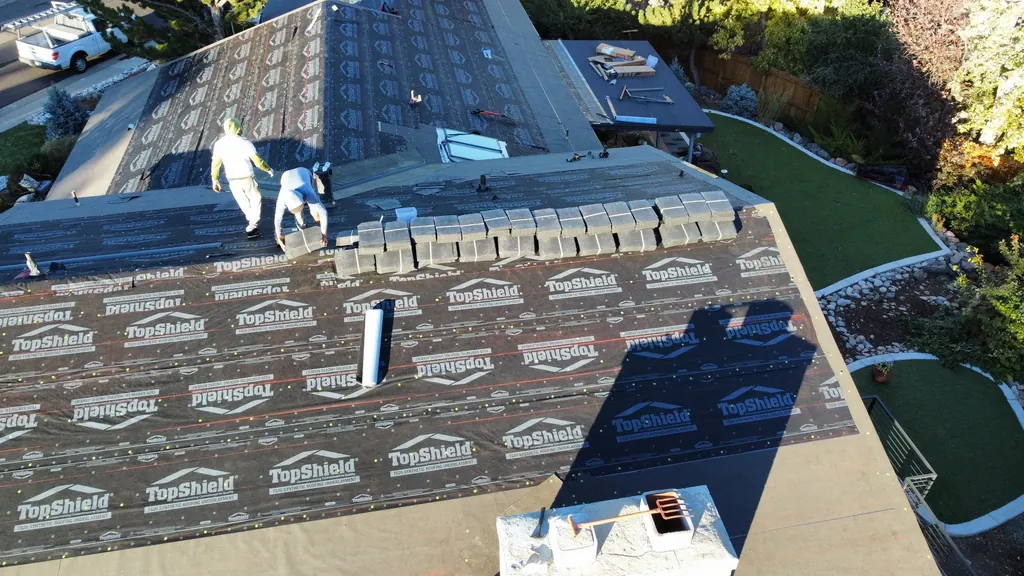
Our crew does the work with quality materials and a clean jobsite. If it's a good fit for your situation, we can install Class 4 impact-resistant shingles, the kind built to take hail better and that many carriers reward with a premium discount.
When the next wind or storm rolls through, we're still here. We don't knock on your door after a storm and we don't disappear after one either.