
We’ve been providing water damage restoration for homes and businesses across Colorado’s Front Range since 2005. Our IICRC-certified team handles emergency water extraction, moisture detection, structural drying, demolition, and full reconstruction, all under one roof.
Call us, we’ll walk through your options:
A pipe burst and there’s standing water in the basement. A water heater failed and soaked through the floor. An appliance leaked while you were at work and now the wood floors are buckling and water is dripping from the light fixtures in the basement. Water damage restoration can feel overwhelming and get complex fast. When there’s water where it shouldn’t be, you need someone who can get there fast, extract it, and start drying before it gets worse.
That’s the first thing we do. We respond quickly for water damage cleanup, extract the water, and set drying equipment to stabilize the situation. For emergencies, we can typically have a crew on-site within 90 minutes.
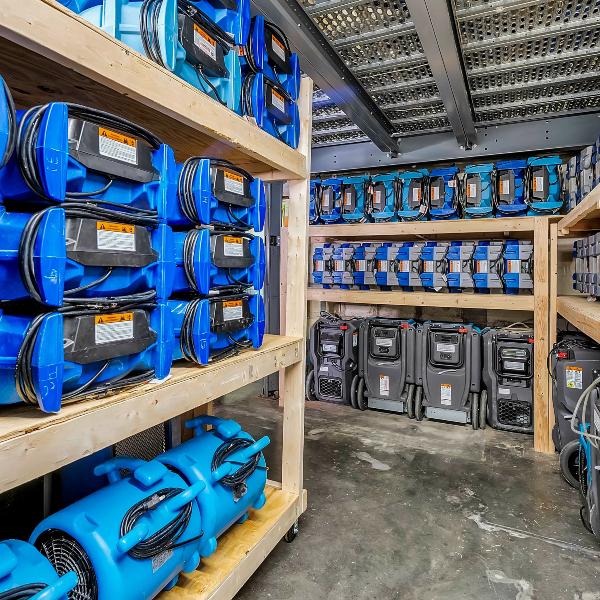
If you’ve already cleaned up the visible water and you’re wondering whether that was enough, that’s a fair question to be asking.
Water travels. It wicks up through drywall, saturates insulation inside wall cavities, soaks into carpet pad, and collects behind baseboards. The surface of the floor might be dry, but the moisture trapped inside your walls and under your flooring can stay there for weeks, leading to deterioration or microbial growth. Drywall is surprisingly absorbent. When water sits on a floor, it wicks up the drywall even behind baseboard quickly. Often homeowners don’t realize their drywall is wet because it doesn’t always show from the surface.
This is why professional water damage restoration requires moisture detection using professional expertise and meters, not just visual inspection. We can check behind walls, under flooring, and inside structural cavities to help you understand the full picture before we start drying. If everything checks out, we’ll tell you. If it doesn’t, you’ll know exactly what you’re dealing with.
One of the most common things we hear: “Colorado is so dry, I don’t need to worry about mold. Everything will dry eventually.” The truth is that we do as much mold remediation work, if not more, as we do water mitigation.
Colorado’s dry climate can actually make the problem worse. When homeowners assume things will dry out on their own, water trapped behind baseboards, inside wall cavities, and under carpet pad never gets the airflow it needs. Mold can develop in those hidden pockets regardless of how dry the air feels in the rest of the house. Below 16% moisture content, mold can’t grow. Above that, it’s a matter of time.
If you’re not sure whether your situation was fully dried, a Free Damage Assessment can answer that question.
More about our mold remediation services
Water damage doesn’t always look like a flood. Some of the most common situations we respond to:
Emergencies (active water flowing):
Discovered damage (water has been sitting):
If you’re not sure whether your situation needs professional help, that’s exactly what our Free Damage Assessment is for. We can often help you figure out what you’re dealing with over the phone.
Every water loss is different, but the general process follows the same structure.
Here’s what it looks like:
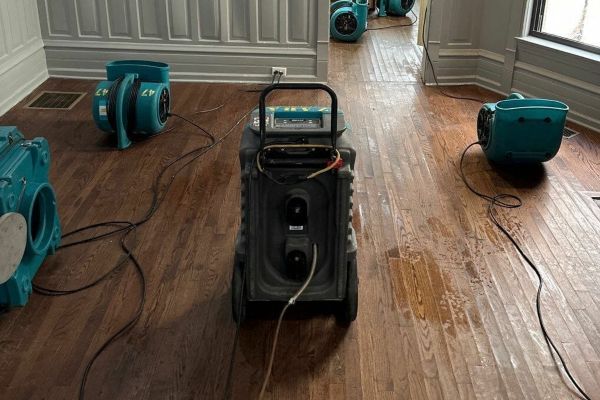
Every water loss and every structure is different. Sometimes no or little restoration work is required. When there is significant damage or a lot of materials are impacted, we’d rather set honest expectations than overpromise. When this is the case, think of a water loss like a remodeling project that chose you. In a normal remodel, you plan, think about choices, interview contractors, and then demo begins when you’re ready. In a water loss, demo can begin right away, before you feel ready, and then the planning process catches up.
Here’s what’s normal during restoration:
This is where most of the confusion lives, and it’s where we can help the most, even before we visit your property.
Most homeowner policies cover sudden water damage (burst pipe, appliance failure, supply line break). Coverage depends on the cause and your specific policy. Slow leaks that develop over months may not be covered the same way as a sudden event. We, as well as your insurance agent, recommend a Free Damage Assessment before filing a claim.
While we are not the policy carrier and can’t guarantee what will or won’t be covered, we do have over 20 years of experience working directly with insurance. We can help you understand what you’re dealing with and give you the information you need to have a clear conversation with your insurance company, preventing unnecessary or denied claims.
Cost depends on the scope of the job: how much water, how far it traveled, what materials are affected, etc. Wet carpet pad in the corner of a basement bedroom is different than a water line break that happened while you were on vacation.
However, we understand that some pricing information is helpful in the initial stages of a water loss. As a starting point, a small project might range between $1,000 and $3,000. Obviously, price can increase significantly as projects grow in size and complexity.
Here’s what to know:
- The Free Damage Assessment costs nothing. We assess the scope, explain what we’re seeing, provide a real estimate for your situation, and walk through your options. No obligation.
- If considering insurance, an estimate is a great starting point. Not every flood is worth involving insurance in. Avoiding a claim altogether is better than being denied or having a claim that falls below your deductible.
- We don’t charge for anything insurance doesn’t pay for unless it’s been agreed to ahead of time, like upgrades you’ve chosen or work you want completed outside of the policy limits.
No. Not every water event requires a claim, and sometimes it makes more sense to handle it out of pocket, especially for smaller incidents where the damage is close to or below your deductible. Filing a claim, even one that results in zero payout, still appears on your record and can affect future rates.
We can assess the scope and give you a realistic picture so you can make that decision with clear information. We’d rather help you avoid an unnecessary claim than push you toward one.
This is the most common call we get. You’ve got water damage, you’re not sure how serious it is, you don’t know whether to call insurance or a plumber or a restoration company, and you’re trying to figure out cost and next steps all at once.
That’s exactly what our Free Damage Assessment is for. We can often answer a lot of those questions over the phone. We’ll help you understand the scope, what pricing could look like, and what your options are with insurance. If an in-person visit makes sense, we’ll schedule one at no cost.
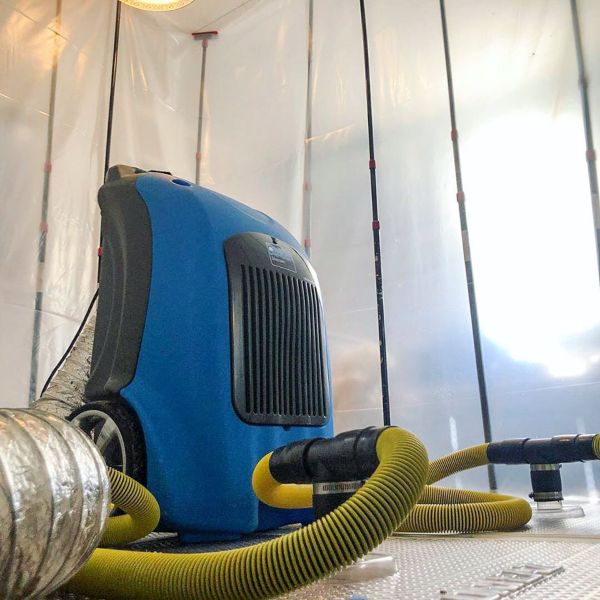
Some restoration companies hand you off to a separate contractor for the rebuild. That handoff can create gaps: different crews, different timelines, details lost between companies.
While it’s not necessary to use us for reconstruction, we can handle the full scope of your job… from the emergency water extraction to the final coat of paint. The company that found the moisture and set the drying equipment is the same company that rebuilds your walls, installs your flooring, and finishes the trim. No handoff, no re-explaining your situation, no wondering who’s responsible for what.
You’ll talk to a real person. Not a phone tree, not a form submission. A live dispatcher who can help you figure out what comes next.
We’ll ask about your situation: what happened, how extensive the damage appears, whether you’ve contacted insurance yet. We don’t need all the answers. We’ll figure it out together.
For emergencies, we can typically have a crew on-site within 90 minutes for water extraction and stabilization.
For non-emergencies, we’ll schedule a Free Damage Assessment at a time that works for you. We’ll walk the property, assess the scope, and explain your options. If it turns out you don’t need us, we’ll tell you that too.
If you’re not sure if you have an emergency or not, we can help you with that too.
If you’ve never called a restoration company before, don’t feel bad about it. We’d rather help you figure out what’s next, even if what’s next is just keeping an eye on it for now.
Water damage can raise a lot of questions, especially when you’re trying to understand what comes next. This FAQ section covers the most common concerns so you know exactly what to expect throughout the restoration process.
The sooner the better, but you don’t need to panic. Standing water can cause further damage the longer it sits, and moisture left in building materials can lead to mold growth within 24 to 48 hours. It can help to separate “deal with the water” from “decide about insurance.” You can stabilize the situation tonight and figure out the insurance side tomorrow. If you’re not sure or have any questions, don’t hesitate to give us a call and we can help determine the best course of action.
It depends on how far the water traveled. Cleaning up visible water on the floor is something most homeowners can handle with towels, a wet vac, or fans. The concern is water that’s made its way into the structure: behind baseboards, inside wall cavities, under carpet pad. Identifying absorbed moisture and dealing with it can require a professional drying approach including moisture detection and dehumidification to prevent further damage or mold. If the water stayed on a hard surface and didn’t reach any walls or porous materials, you may be fine on your own. If you’re not sure, we can help you figure that out.
The standard dry time is said to be 3 to 5 days, though some situations resolve much faster and others take more time. A contained flood in an unfinished basement is a different timeline than a saturated wood floor after the waterline to the refrigerator failed. Reconstruction, if needed, can add time as well, depending on scope. After an initial assessment, we can usually give you an accurate idea of how long drying will take for your particular situation.
The words are often used interchangeably, but if we’re getting technical, mitigation is the emergency response: stop the damage from getting worse, extract the water, dry the structure. Restoration is everything after: rebuilding what was removed, replacing materials, finishing the space. We can handle both under one roof.
Most policies cover sudden water damage events (burst pipes, appliance failures). Slow leaks and mold coverage vary by policy. We, as well as your insurance agent, recommend getting a Free Damage Assessment before filing a claim. We can help you understand your situation and give you the information you need to have a productive conversation with your agent or adjuster, helping you avoid unnecessary or denied claims.
Water contamination is categorized by severity. Category 1 is clean water like a supply line break. Category 2 used to be referred to as grey water, or water containing some contaminants like you’d find from an overflowing washing machine or dishwasher. Category 3, formerly black water, includes things like sewage and floodwater. Categories 2 and 3 can require decontamination before drying begins, and porous materials exposed to contaminated water may need to be removed. We handle all categories safely and thoroughly.
We manage as much of the insurance coordination as we can on your behalf: documentation, adjuster communication, Xactimate scoping, and supplement filing. We know that the easier we make things for your carrier, the better your carrier can take care of you. There are portions only you can handle, but we’ll tell you what those are and help you through them.
If water is actively flowing, try to stop the source if you can do so safely (shut off the water supply). Move valuables away from the water. Avoid entering standing water if it could be in contact with electrical outlets or appliances. Then call us. We can walk you through what makes sense for your situation. (303) 660-6216
That’s the most common place people are when they call us. You found a flood, the confusion started, and now you’re trying to figure out whether this is a big deal, what it’s going to cost, and who to call.
Start with a conversation. We’ll walk through what you’re dealing with and give you honest options, including whether this is something you can handle yourself. No pressure, no obligation, no cost.
Water damage doesn’t wait for business hours, and it doesn’t care what city you’re in. We serve the full Front Range from our offices in Centennial and Colorado Springs, covering: