
Flood & Water Emergency

Flood Damage Restoration in Colorado

When water is rising and you don’t know where it’s coming from, the next hour matters. We can stop it from spreading, pull it out, and dry what it touched, day or night.

What to do when your basement floods

If your basement is flooding, the first hour matters more than anything else you’ll do today. Get people and pets away from the water, move what valuables you can reach, and call us. The faster the water is extracted and the structure starts drying, the less you lose. We answer the phone 24/7 across the Front Range.
You went down for a load of laundry and your socks went dark before you hit the bottom step. Or you opened the door and the carpet looked wrong before you understood why.
The questions come fast. How long has it been running, is everything down here ruined, is this even something insurance covers. We can help you work through all of them. Forefront Building + Restoration has been pulling water out of Front Range homes and businesses for over 20 years, and we answer the phone at 2 a.m. for exactly this.
Why It Floods

Most Basement Flooding Starts With a Failed Appliance or Valve

Most of the water we get called for started somewhere inside the house, and often somewhere small. The most common sources:

  • Appliance failures. A washing machine hose, a dishwasher line, or a refrigerator water line lets go and runs for hours before anyone notices, especially when it happens while you're at work or asleep.
  • Supply-valve failures. The shutoff under a sink or the line behind a toilet is a small connection holding back a lot of water. When one of those fails, it doesn't trickle.
  • Freezes. A cold snap freezes a pipe or a valve, it splits, and when it thaws it pours. It's why the worst water calls tend to cluster around a cold snap and the fast warm-up right after it.
  • Heavy summer storms. Our late-summer downpours can overwhelm drainage and find a way in.
  • Sewage backups. A backed-up main line can push up through the lowest drain in the basement or HVAC room, or a line above can let go. It's contaminated water, so it gets handled differently than a clean-water flood. Keep people and pets out of it and call us.

Different starting points, same ending: water at the lowest point in your home, soaking into everything it touches on the way down.
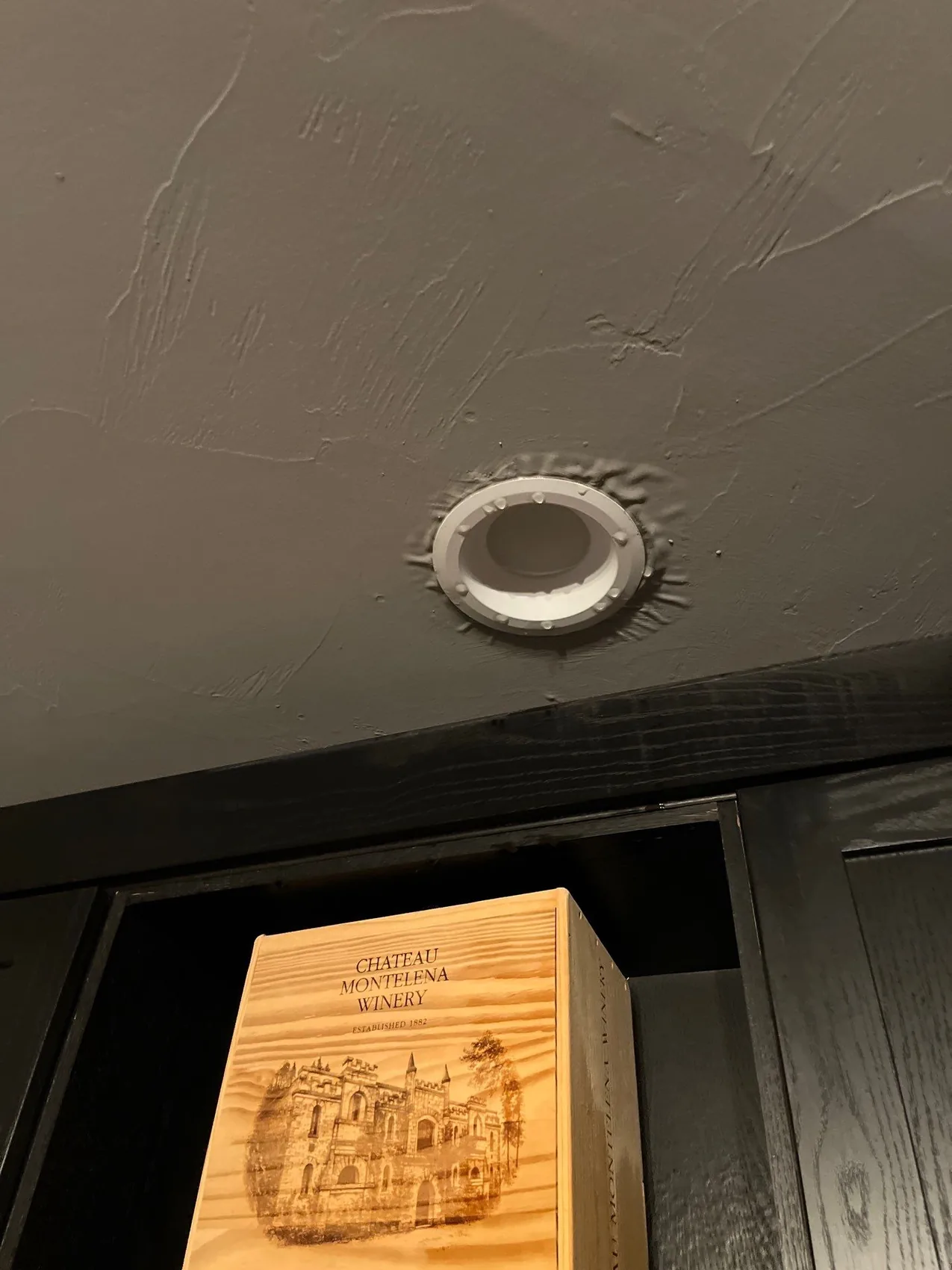
Water dripping from a recessed ceiling light after a leak overhead
Where It Comes From

The water rarely starts where you find it

A toilet that overflowed upstairs or a washing machine that let go on the main floor sends water straight down, through the subfloor and along the framing, until it shows up dripping out of a ceiling or a light fixture a floor below.

So the first question we ask on a water call is usually not how to dry this room. It's where did the water come from, because the source is often a floor or two up from where you're standing in it. Find it, stop it, then dry.
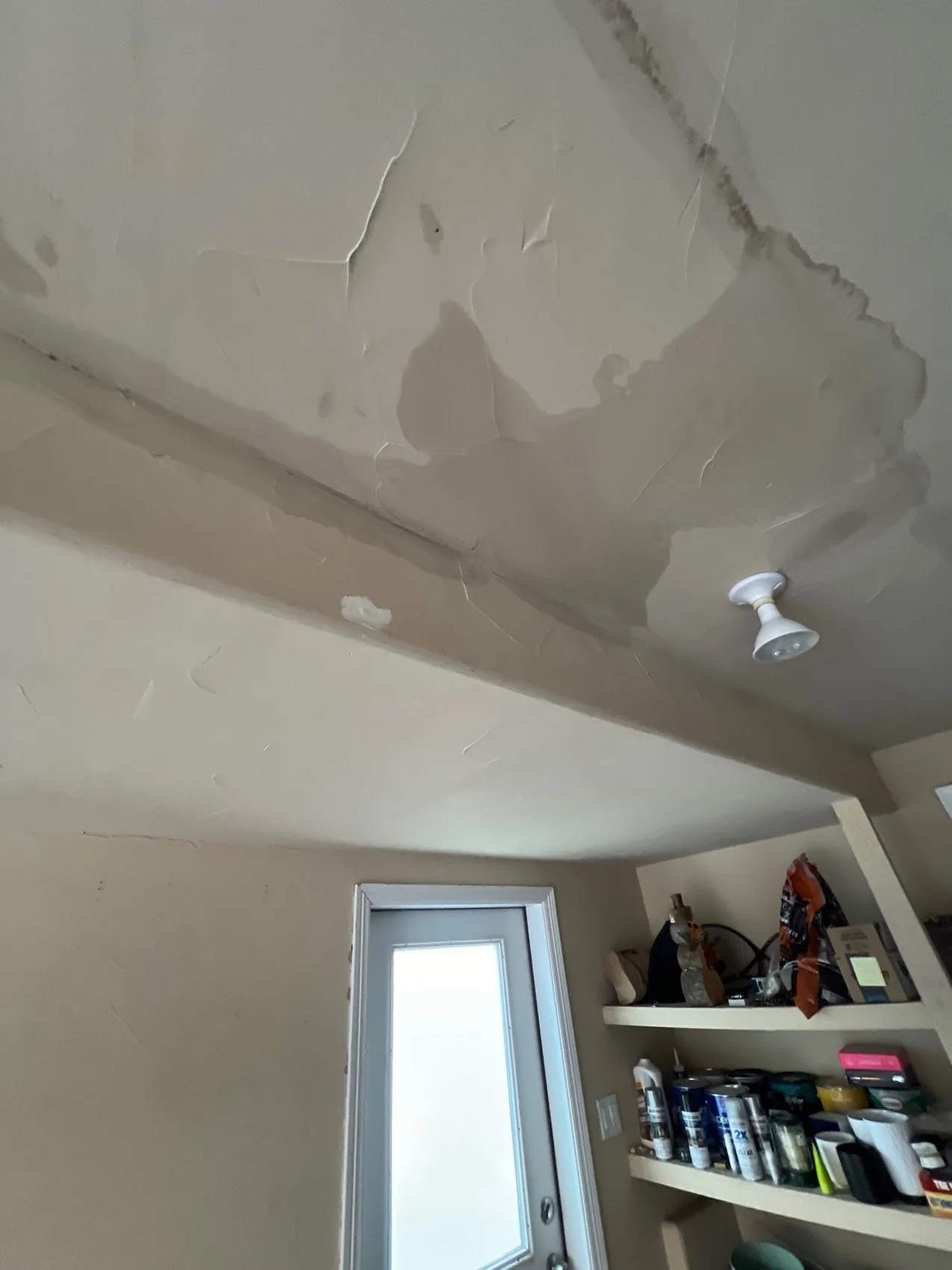
Water staining and bubbling a ceiling from a leak on the floor above

The longer water sits, the more damage it does.

The Part You Can't See

Just because it looks dry doesn't mean it is dry

Water hides. Drywall wicks moisture up inside the wall and can look and feel dry on the surface while it's still soaked behind the paint. Water that gets under luxury vinyl plank, or under a carpet pad, especially the pet-protectant kind, can leave the top of the floor looking perfectly fine while it sits in the layer underneath with nowhere to go.

So we don't trust our eyes on this, and you shouldn't either. We use moisture meters to read what's actually happening inside the wall and under the floor, which is how we find the wet you can't see and dry what's actually wet, not just what looks wet. Dry to the touch and dry all the way through are two different things.

It matters because wet materials that stay wet start growing mold within a day or two, and the water trapped under a floor or behind a wall is exactly the kind that gets missed. Once we find it and pull it out, the drying science is the same work we walk through on our water damage restoration page.
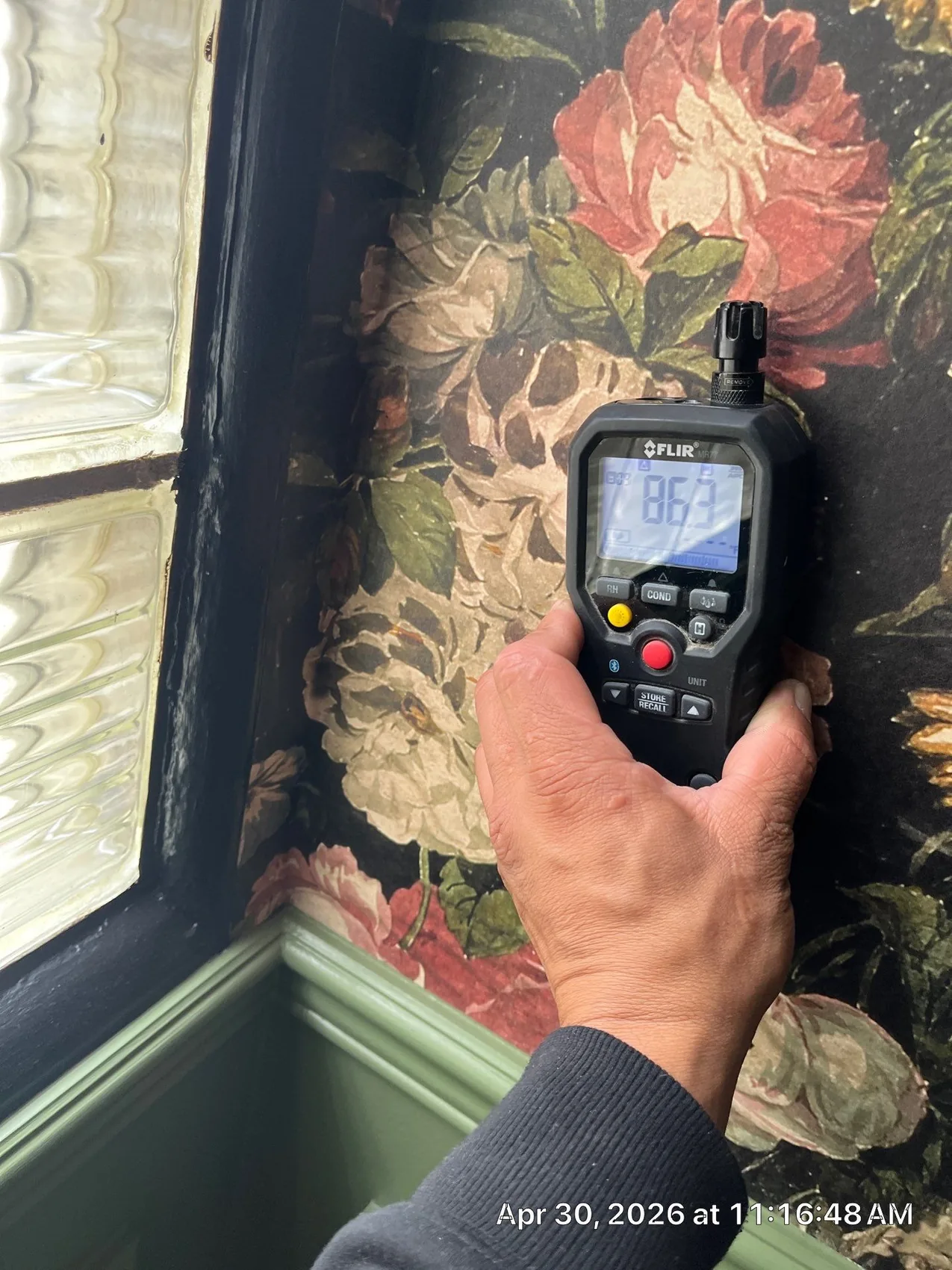
A moisture meter reading high moisture in a wall that looks dry

Is a flooded basement covered by insurance?

Every policy is different and we're not your carrier, but it mostly comes down to one thing: where the water came from.

A standard homeowners policy generally covers water that comes from inside the home and happens suddenly: a burst pipe, a failed water heater, an overflowing appliance. A sump pump backup can be covered too, but often only if you carry a specific endorsement for it, which is worth knowing before you need it.

What a standard policy typically does not cover is water that comes from outside and rises up into the home. That kind usually needs a separate flood insurance policy, and most Front Range homeowners don't carry one because they assume they'll never need it.

The good news for most of the calls we get: a flooded basement from a failed sump pump, a burst supply line, or an overwhelmed appliance is an inside-the-home event, and those are the ones a policy is built for. We've spent years documenting these losses for carriers, and we can help you figure out which kind of water you're dealing with and work in step with your adjuster so everyone stays on the same page. Call us first, and we can help you sort out who to involve and in what order.

What does it cost?

A small basement flood might run $1,500 to $4,000. It grows from there with how much water there was, how far it traveled, and whether it sat long enough to turn.

  • The Free Damage Assessment costs nothing. We assess, explain what we see, and give you a real estimate.
  • Not every flood is worth a claim. Avoiding one altogether beats a denial or a claim below your deductible.
  • We don't charge for anything insurance doesn't pay for, unless it's agreed to ahead of time.

What happens when you call

It starts the moment you call, day or night. We figure out together whether someone needs to be there now or the morning is fine, then the work goes like this.
01

We extract the standing water

Truck-mounted and portable extractors pull out what's pooled, down past the three-quarter-inch mark where pumps stop and the real drying begins.
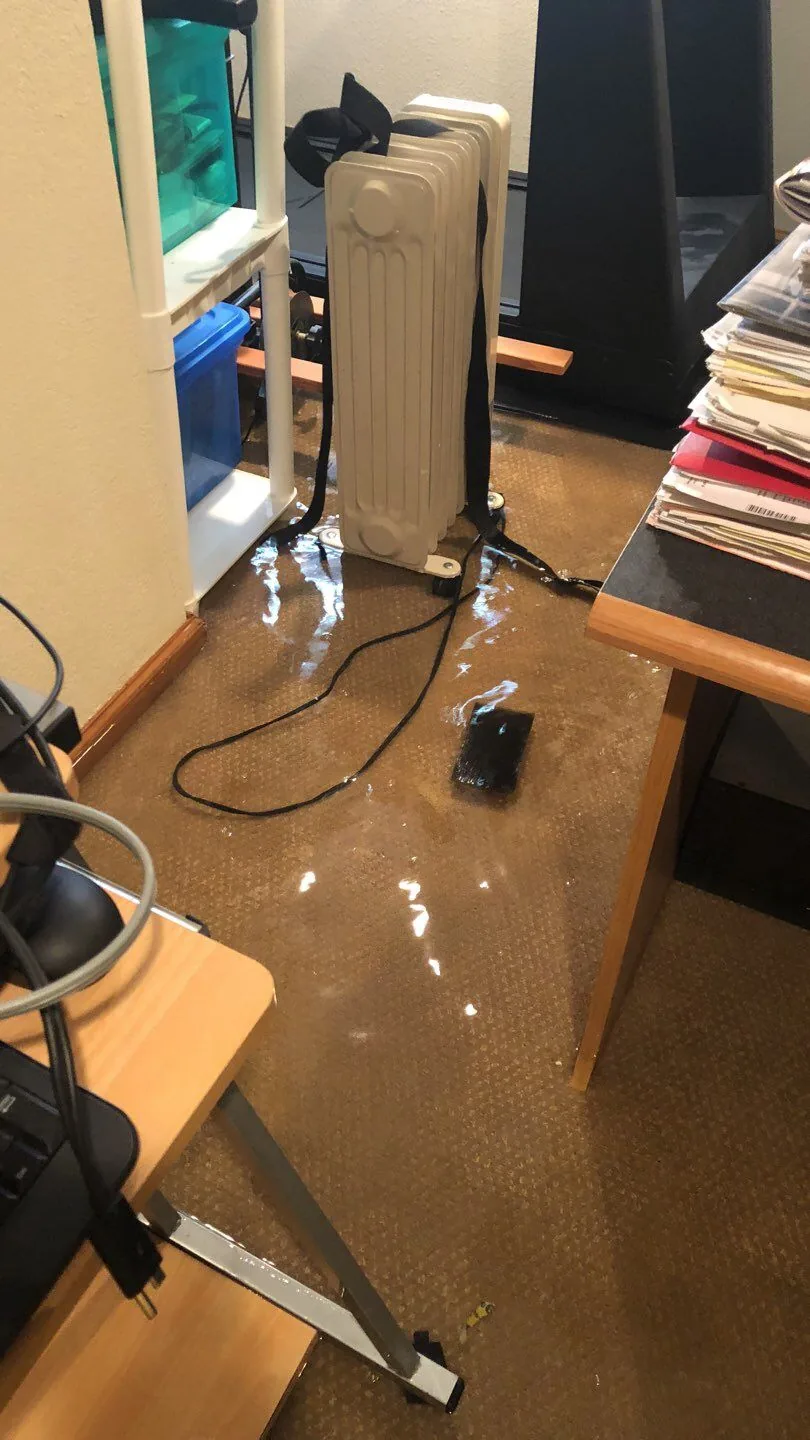
Standing water pooled on the floor of a flooded room
02

We find where the water went

Moisture detection tells us how far it traveled behind walls and under floors, so we dry what's actually wet, not just what looks wet.
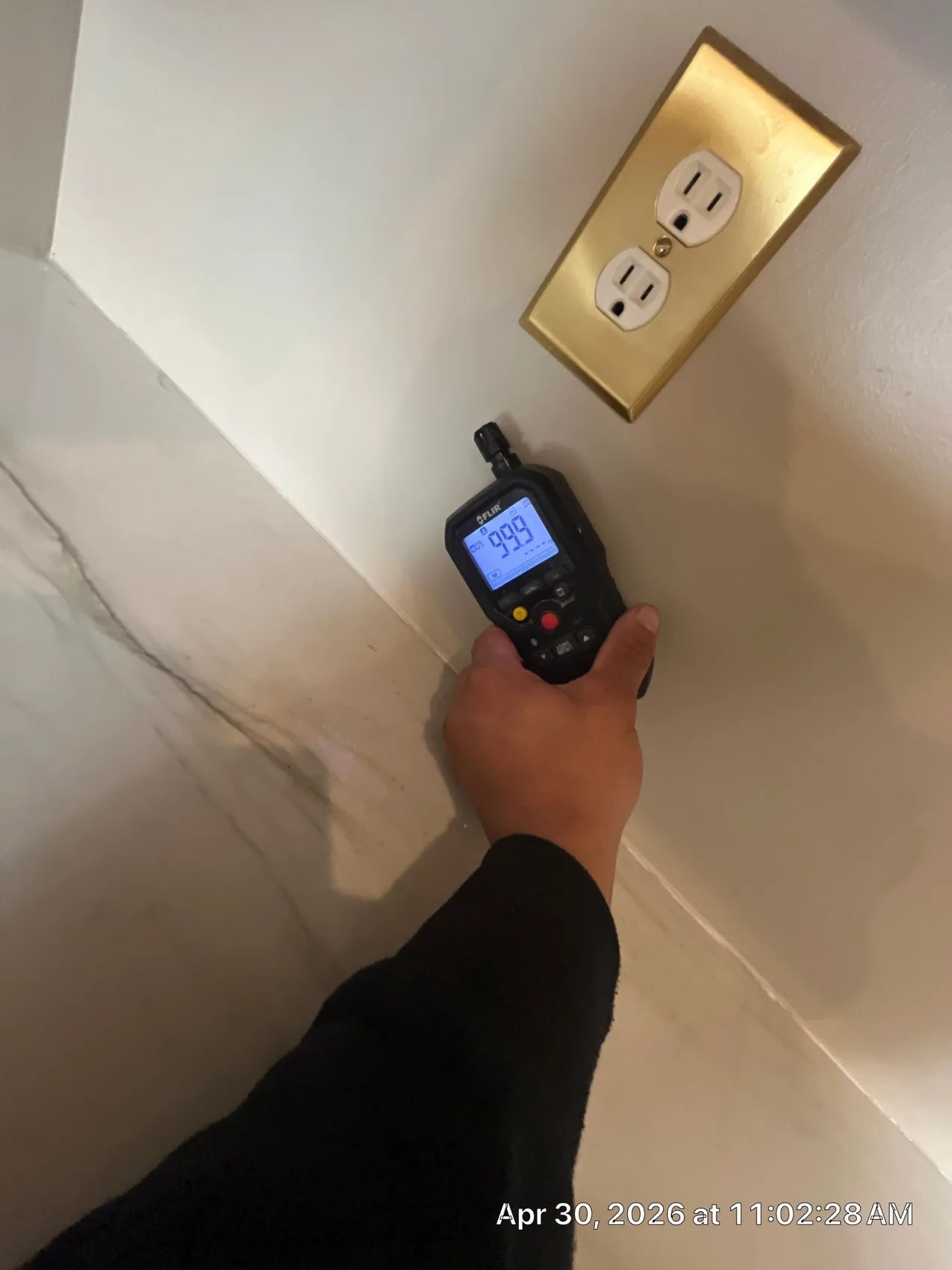
Using a moisture meter to trace how far the water traveled in a wall
03

We dry the structure

Air movers and dehumidifiers brought to the size of the loss, monitored daily by our IICRC-certified technicians until the materials hit a dry standard, not just until they feel dry to the touch.
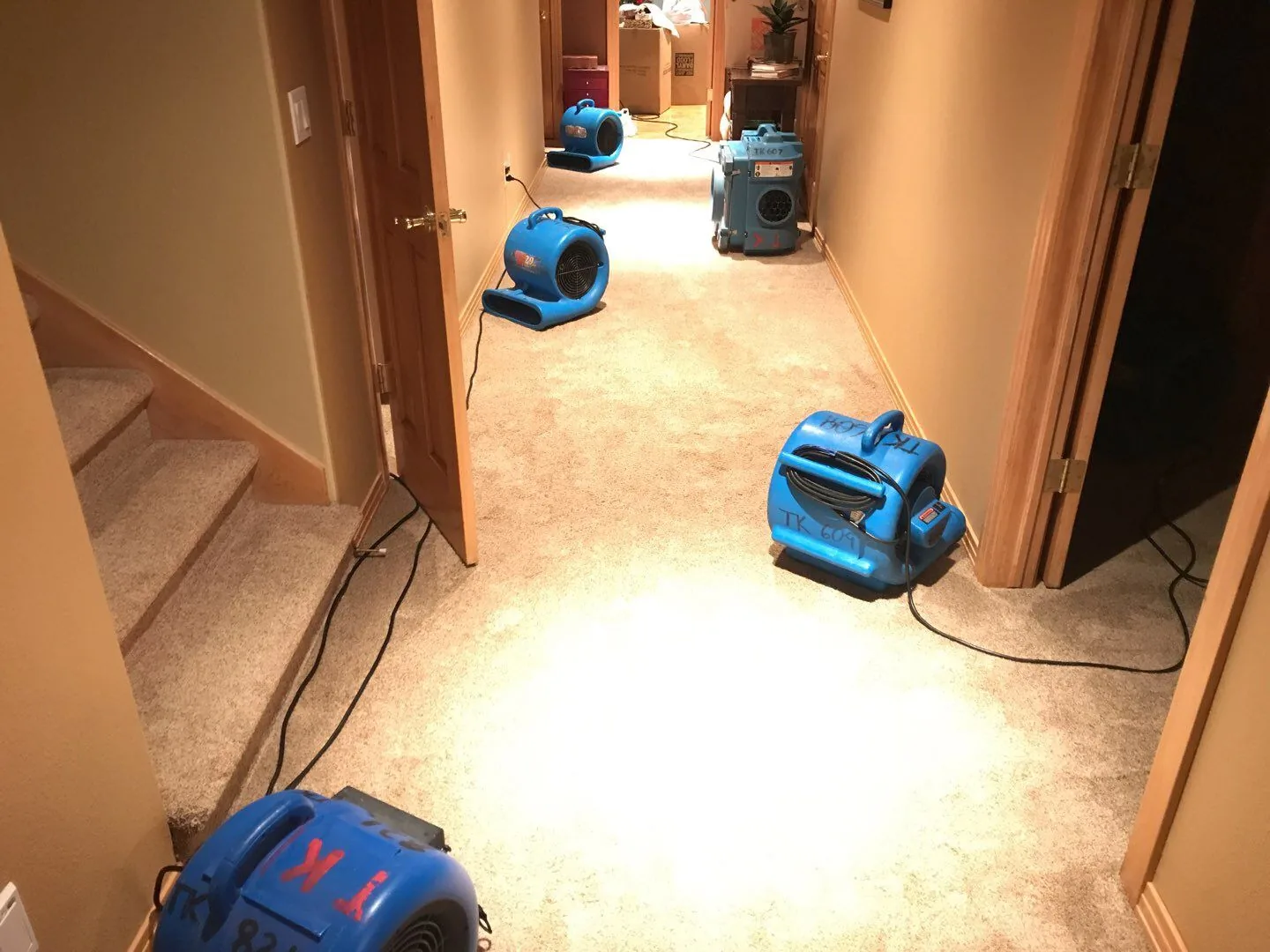
Air movers and a dehumidifier drying a water-damaged hallway
04

We treat for mold if it has started

If the water sat long enough to start growth, we contain and treat it before it spreads, instead of sealing it inside a wall.
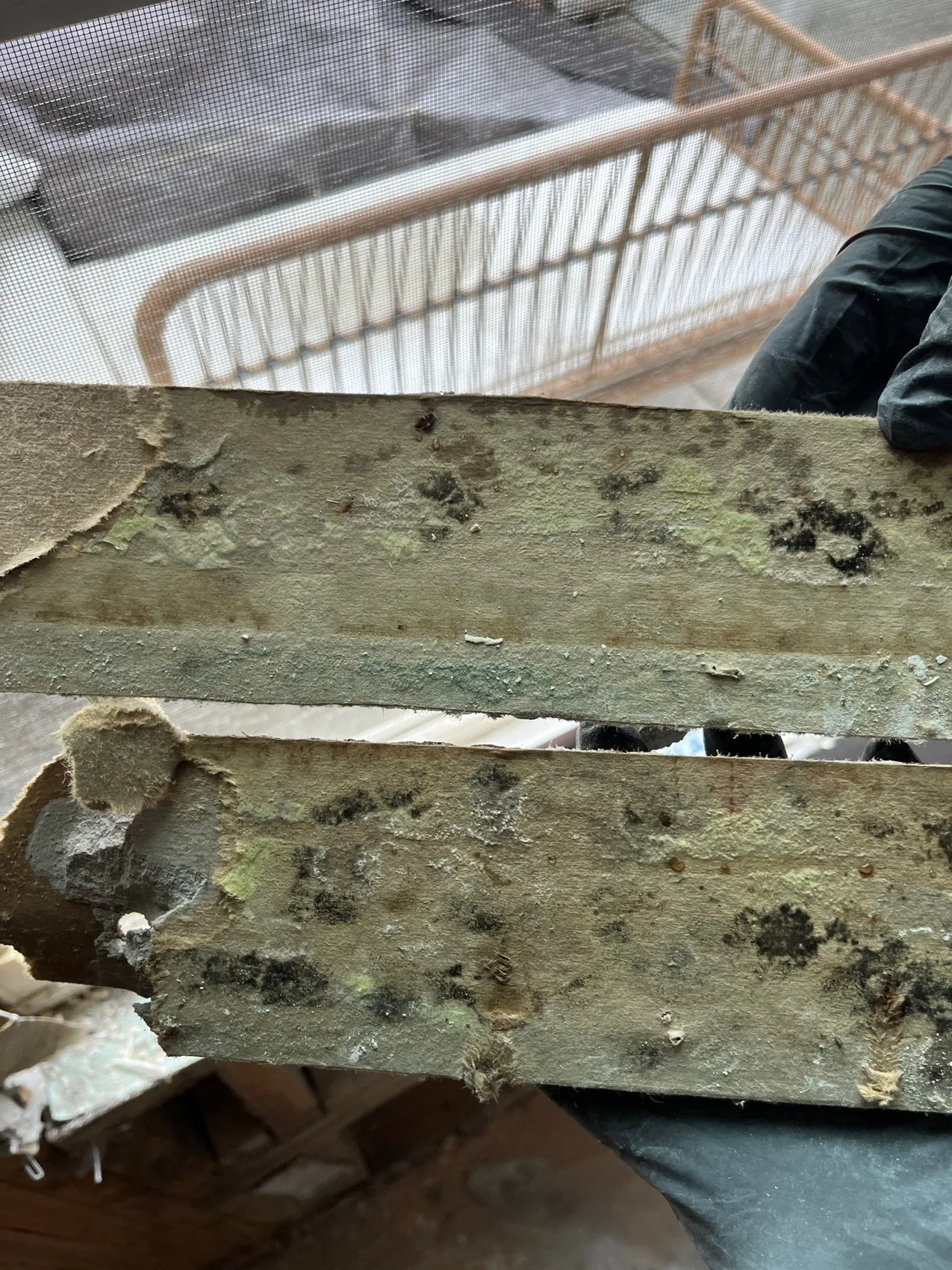
Mold growth on building material after a water loss
05

We put your home back

When the rebuild is part of it, the same company that dried your basement repairs the drywall, flooring, and paint, so there's no handoff to a contractor who wasn't there for the first half.
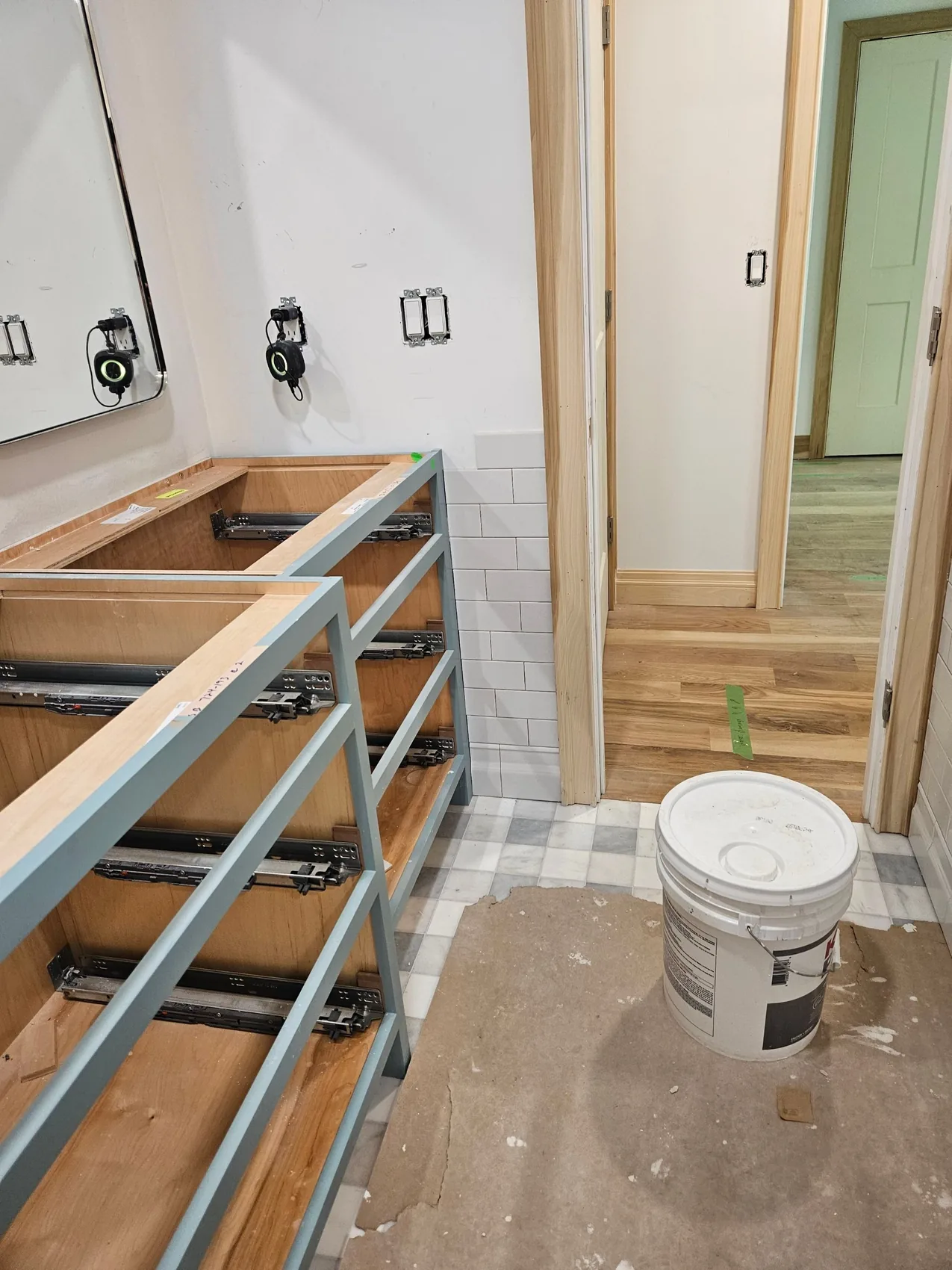
A bathroom being rebuilt after water damage
If the water came down from an upstairs leak, we trace it back to the source so the same thing doesn’t happen again. More on how we dry a home, all under one roof.
Start to Finish

The company that dries your home can rebuild it

A flooded home often requires two phases: the dry-out, then the rebuild. Forefront Building + Restoration handles both.

We document the loss, dry the structure, and remove what can't be saved, then rebuild what's left, so the scope is understood from the wet day to the finished room.

For you, that's one number to call and one company accountable for how this ends, not a gap to manage yourself.
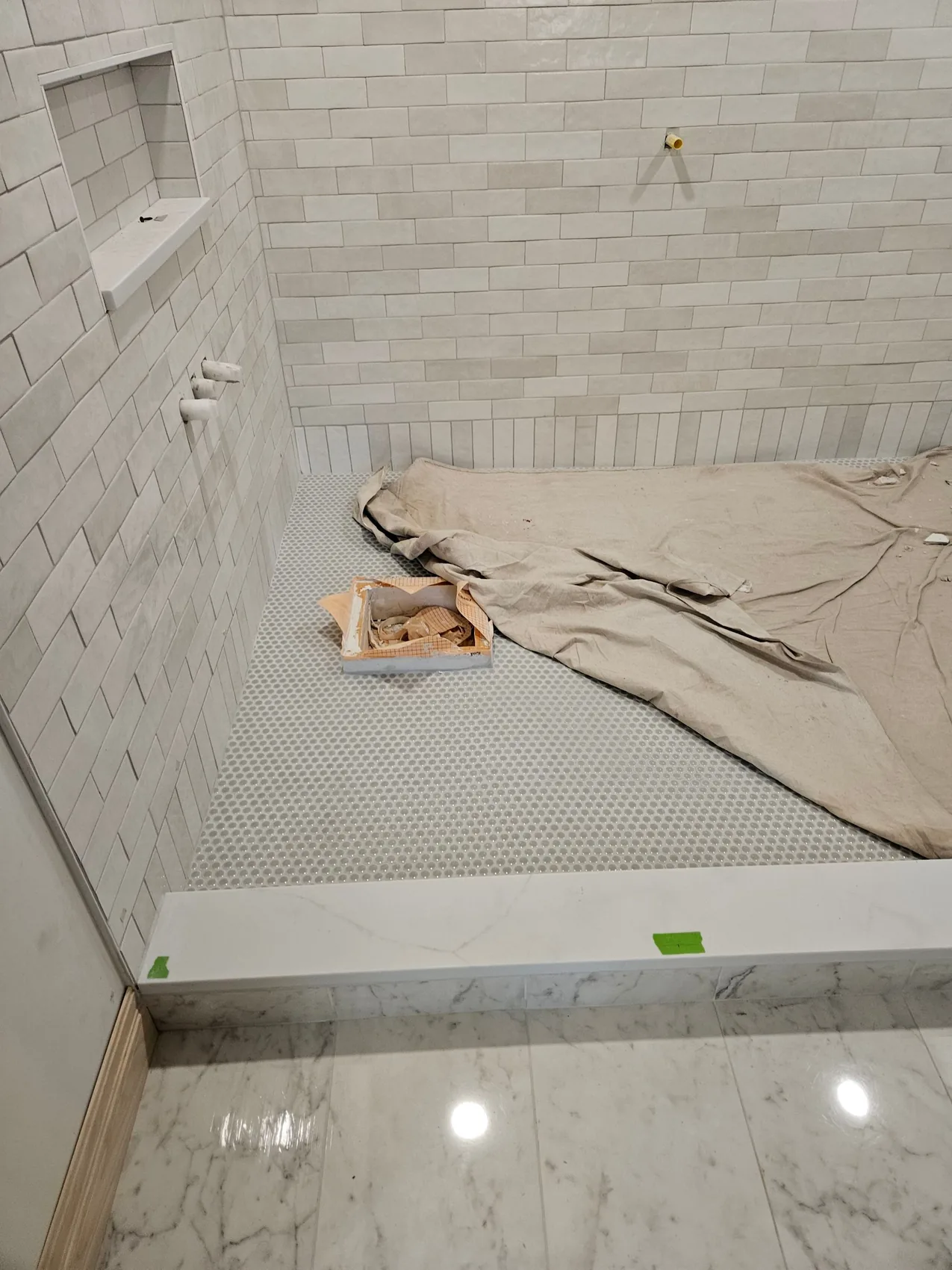
A finished bathroom restored after water damage repair

Common Questions About Flood and Water Emergencies

Sometimes, and sometimes the morning is fine. If the water is still rising, spreading toward finished space, or near anything valuable, that’s a call-now situation. If it’s stopped, your things are out of the way, and you’ve taken photos, a first-thing-in-the-morning response is often appropriate. What actually decides it is how long the water has been sitting and what it’s sitting against, and we can help you make that call over the phone.
Mostly it comes down to where the water came from. If it came from inside the home and happened suddenly, a burst pipe, a failed water heater, an overflowing appliance, it’s usually a covered loss under a standard homeowners policy. Water that comes in from outside and rises into the home is the kind that often needs separate flood coverage, which most Front Range homeowners don’t carry. Either way your basement is wet and we handle it, and we can help you read which kind of water this is before you file anything.
We respond 24/7 across the Front Range, with crews out of Centennial and Colorado Springs. When you call, we’ll give you a real read on timing and tell you what to do in the meantime.
Some of it, yes. Moving valuables up out of the water, pulling up a soaked area rug, and documenting the damage with photos are all things you can do before we arrive. What’s hard to do yourself is know how far the water traveled and dry the inside of the walls and floor before mold starts, which is where professional equipment earns its keep.
Then it gets handled differently. Sewage is contaminated water, so the porous materials it soaked into often have to come out instead of drying in place, and the area is cleaned and disinfected before any drying begins. It’s a health situation, so the right move is to keep people and pets out of it and call us rather than trying to clean it up yourself. We handle sewage backups from the contaminated cleanup all the way through the rebuild.
Wet materials that stay wet can start growing mold within a day or two, which is why fast drying matters more than it seems. If growth has already started, we can contain and treat it as part of the same project rather than leaving it for later.
It depends on how much water there was, how long it sat, and what it soaked into. We monitor moisture daily and dry to a measured standard rather than a guess. We can give you a realistic read once we see the loss.

Flood and water-emergency response across the Front Range

We respond to flooded basements and water emergencies across Colorado’s Front Range, with offices in Centennial and Colorado Springs serving the Denver metro, the Springs, Northern Colorado, and the communities in between. Water doesn’t keep business hours, and neither do we. See all of our service areas.
DenverCentennialColorado SpringsParkerCastle RockHighlands RanchLittletonAuroraLone TreeEnglewoodLakewoodLongmontGreeleyFort Collins

Let's make this easier

This isn’t how you planned to spend your night. It’s also something we walk people through all the time, and the water is here whether any of us wanted it or not. Call and we can start figuring out the next step together, even if the next step is just deciding whether this waits until morning.
You'll talk to a real personA live dispatcher around the clock, not a phone tree or a form.
No pressure to actIf the water is stable and it can wait until morning, we'll tell you that.
One company, start to finishFrom extraction and drying through the rebuild, under one roof.