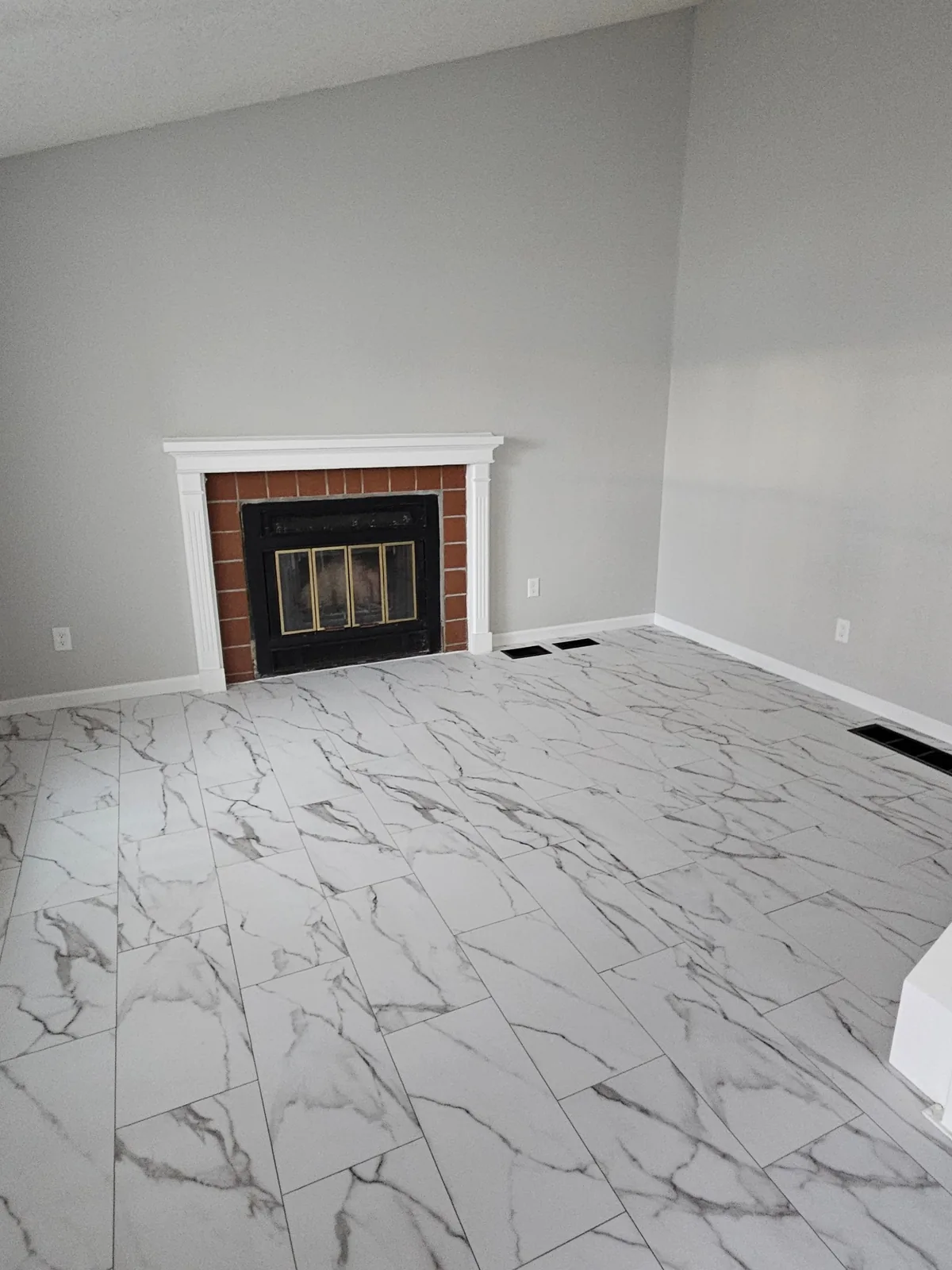
Water travels.
Below 16% moisture content, mold can't grow. Above that, it's a matter of time.
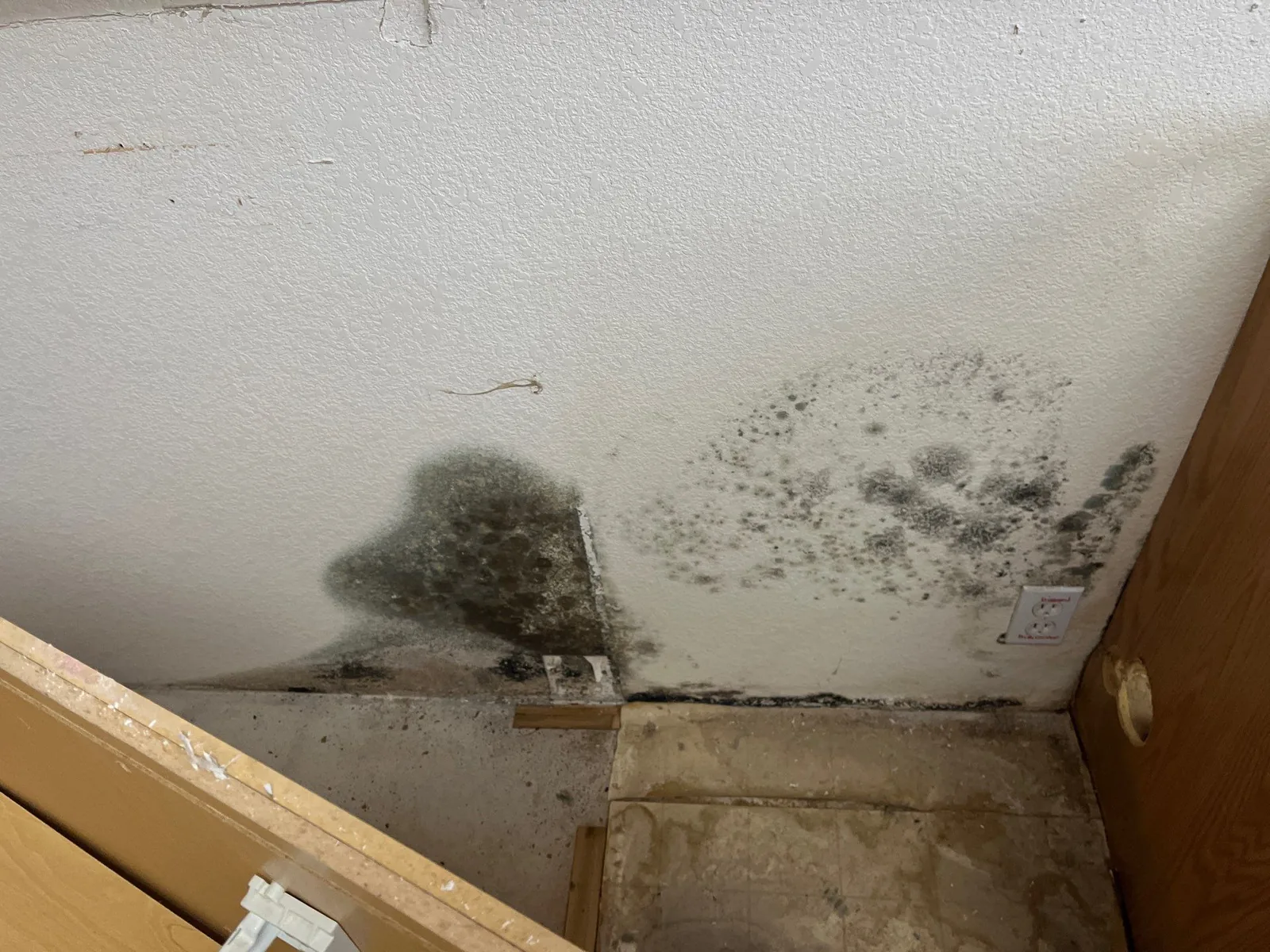
These three words get used interchangeably, but each one is a different stage of the same job.
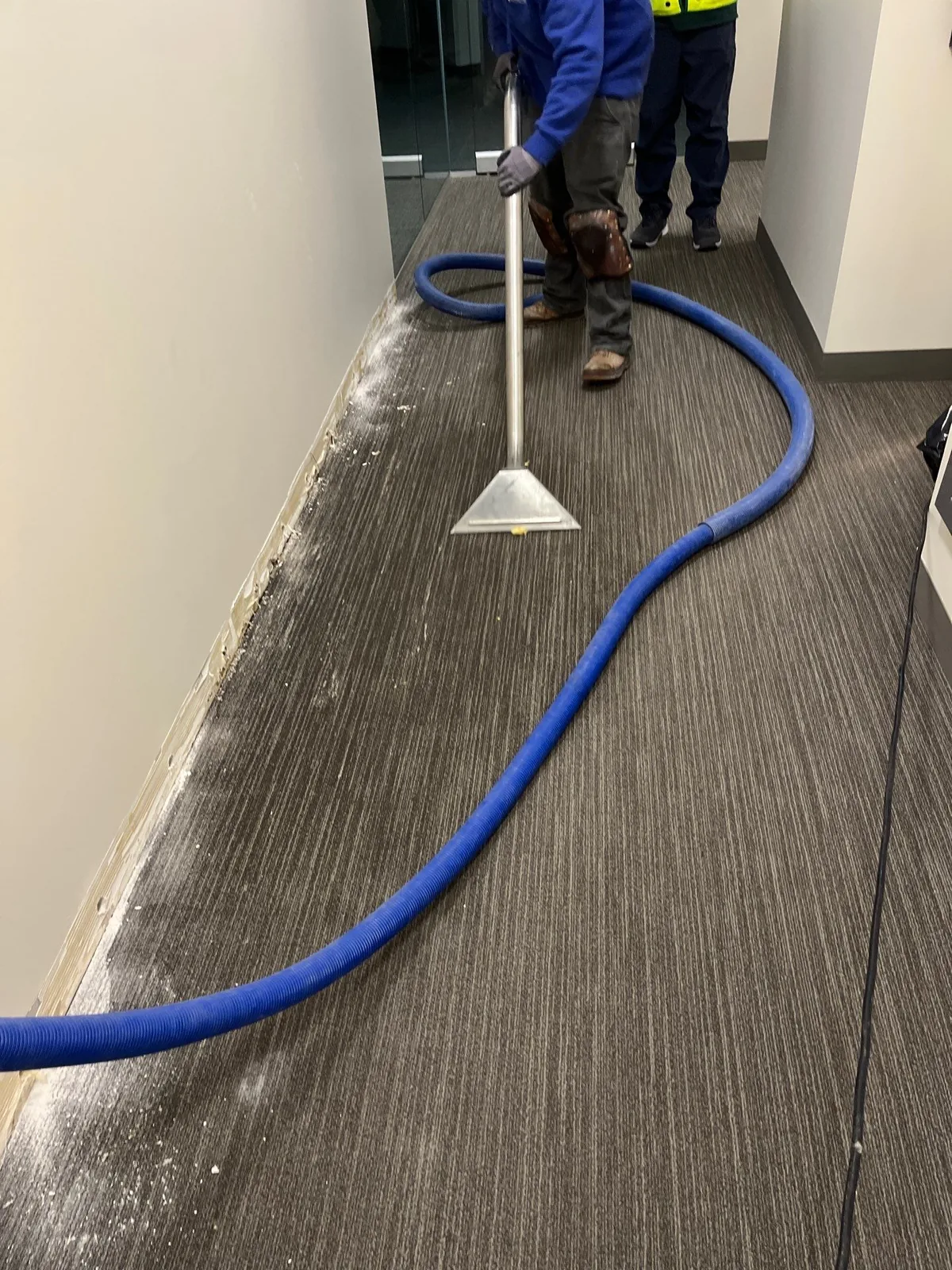
Mitigation is the emergency work that stops the damage from spreading. We extract the standing water, pull out soaked materials, and set up drying equipment so the structure isn't getting worse while everything else gets sorted.
Cleanup is dealing with what the water left behind. We remove what can't be saved, like ruined carpet pad and drywall, and clean and sanitize what stays, so the space is safe before anyone rebuilds it.
Repair is putting the home back the way it was, with new drywall, flooring, paint, and trim. Because the same team dries the home and rebuilds it, there's no handoff to a separate contractor in the middle.
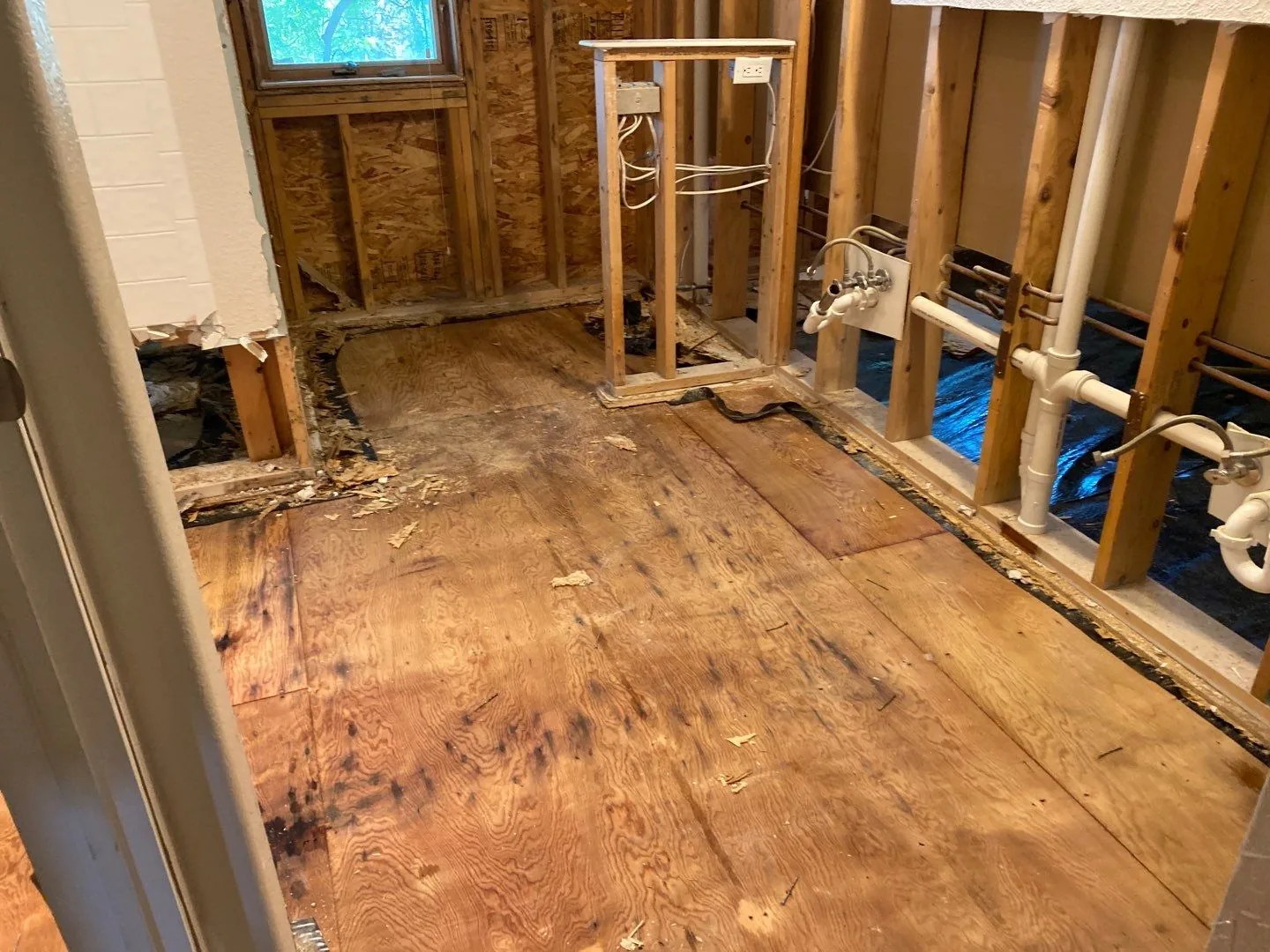
We stop the damage from getting worse, extracting standing water, pulling baseboards, and removing saturated carpet pad so drying can begin.
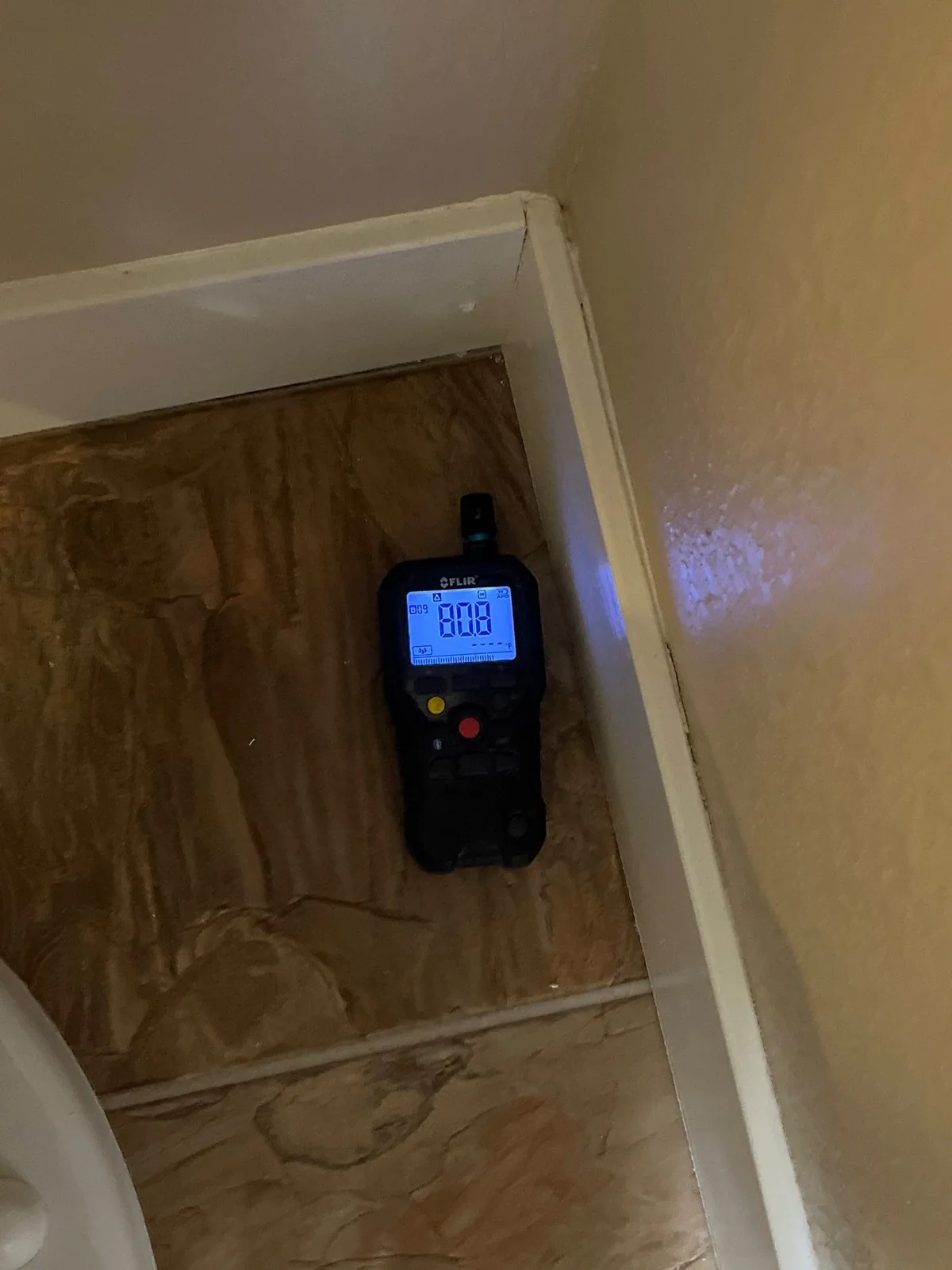
We set a dry standard from unaffected materials, then map how far the water traveled with moisture meters, the baseline we track against, per IICRC S500.
When materials can't be saved, we remove them, always explaining what and why first. Demolition without a conversation is a red flag in this industry.
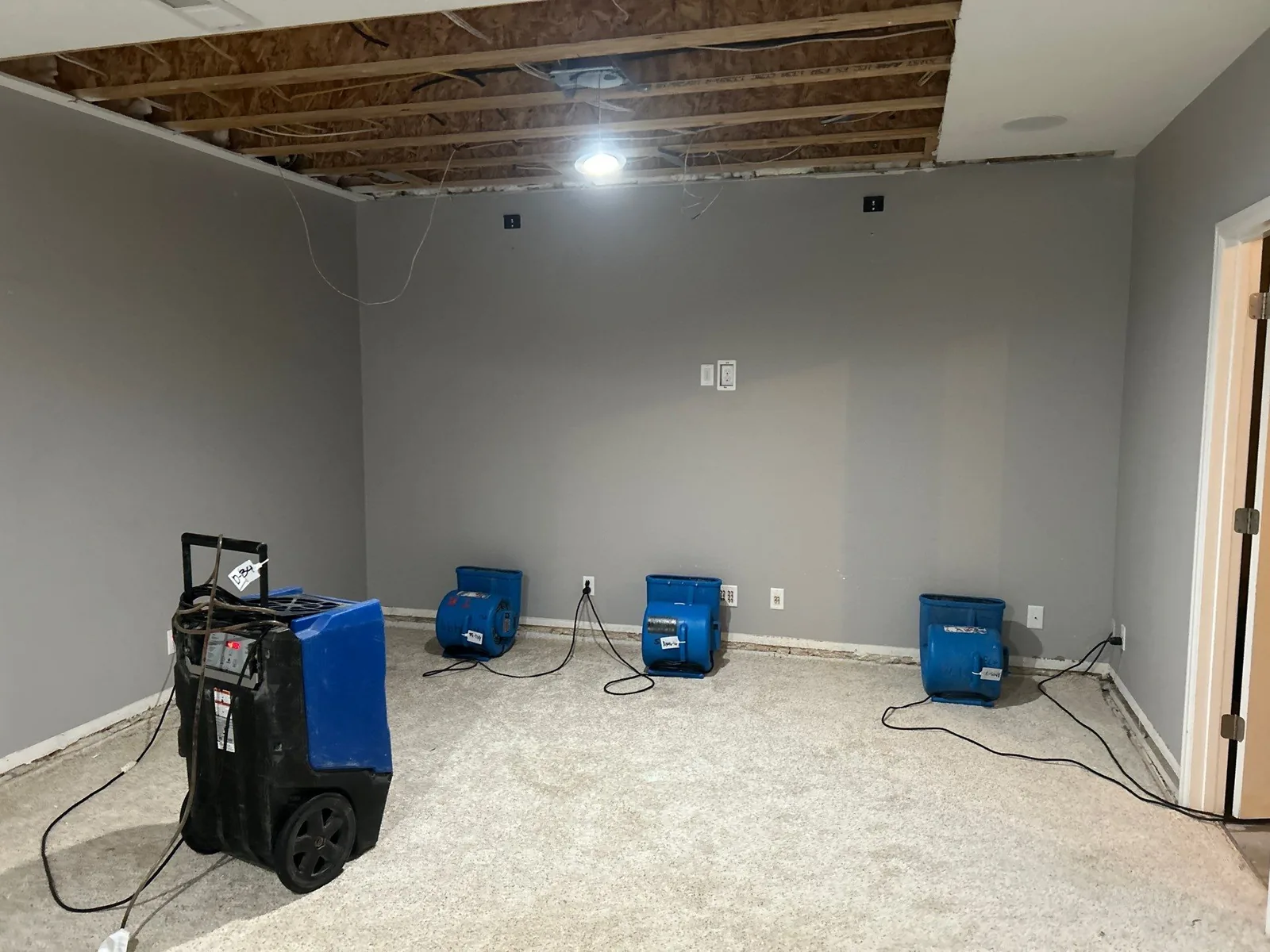
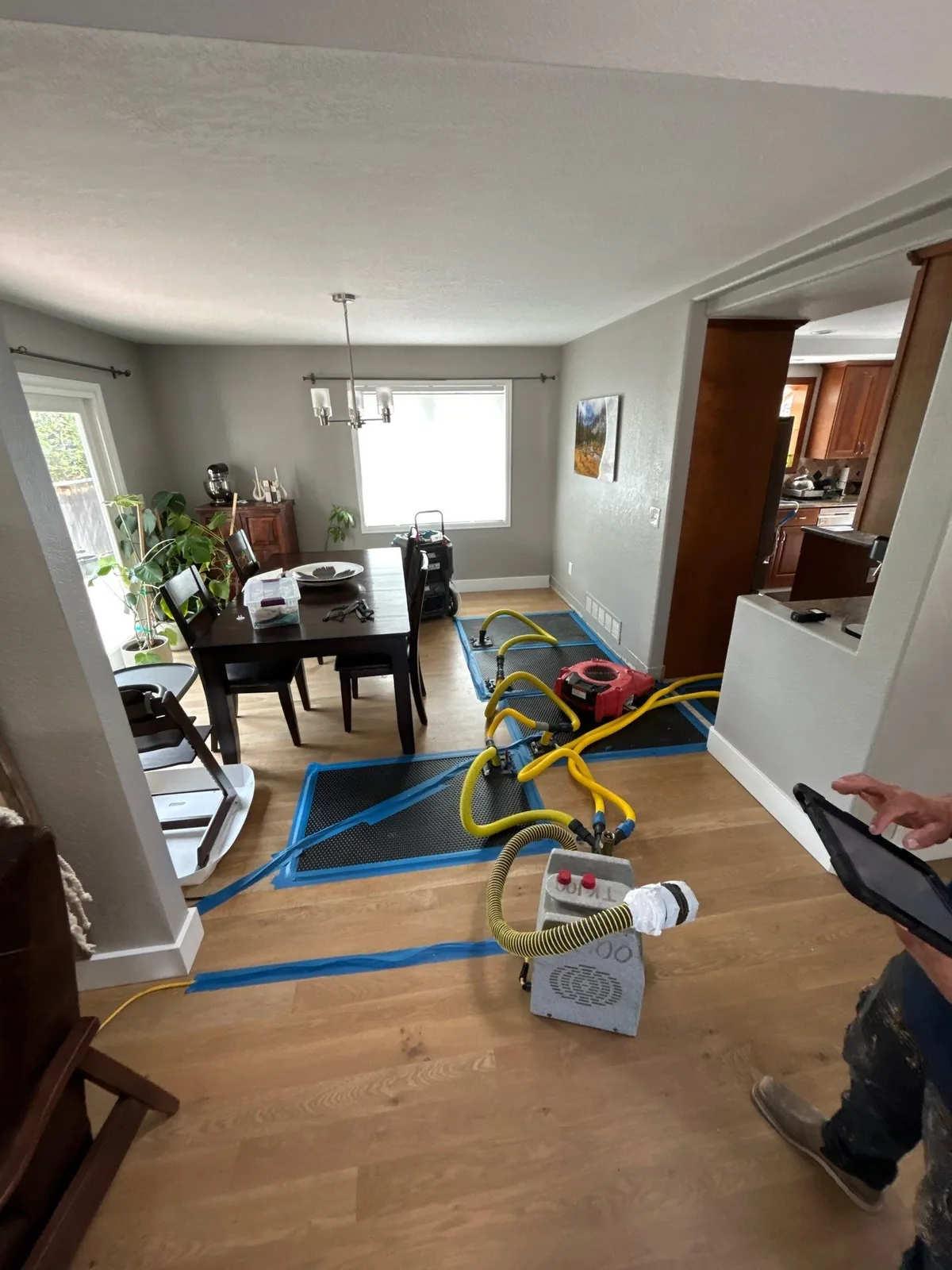
LGR dehumidifiers and air movers pull trapped moisture from porous materials. We monitor and adjust until readings hit the dry standard, usually 3 to 5 days.
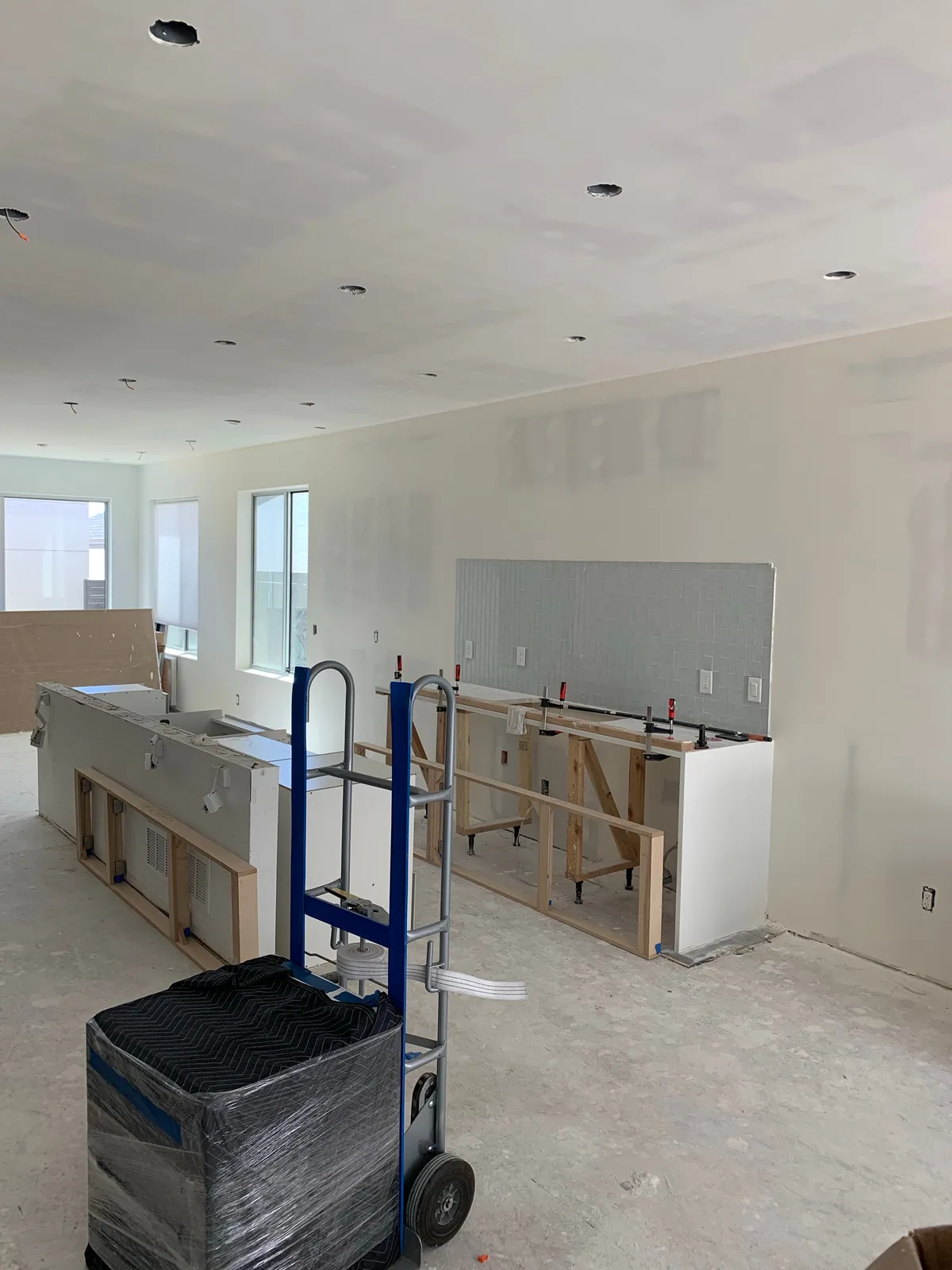
Once everything is dry, we handle the rebuild: drywall, flooring, trim, paint. The company that dried your home already knows it from the inside out.
Sometimes less, sometimes more, depending on the materials and how the structure responds.
Equipment and technicians on site is a change from your normal day to day. We keep it as smooth as we can.
Hidden damage behind walls, vinyl flooring under tile, materials that won't dry as expected. We communicate and handle them as they come.
Especially with insurance, the full extent has to be discovered before reconstruction. We keep things moving without rushing in unprepared.
Most homeowner policies cover sudden water damage, like a burst pipe, an appliance failure, or a supply-line break. Slow leaks that develop over months may be treated differently. We can't guarantee what your carrier will cover, but with 20+ years working directly with insurance, we can help you understand what you're dealing with and have a clear conversation with your adjuster, preventing unnecessary or denied claims.
Cost depends on scope: how much water, how far it traveled, what materials are affected. As a starting point, a small project might run around $750 in an unfinished basement, if it's even necessary, and $1,000 to $3,000 for a finished basement, with drywall, baseboards, and flooring in play. It grows from there with size and complexity. A few things to know:
No. Not every water event needs a claim, and sometimes it makes more sense to handle it out of pocket. Even a claim that pays zero still goes on your history and can factor into future rates. Whether that's worth it depends on your situation. Sometimes filing is exactly the right move, that's what insurance is for, and sometimes it isn't. We'll help you get all the information on the table and decide either way.