Fire Damage Restoration

We’ve been providing fire damage restoration for homes and businesses across Colorado’s Front Range since 2005. Our IICRC-certified team handles emergency board-up, smoke and soot cleanup, structural drying, demolition, and full reconstruction, all under one roof.

Call us, we’ll walk through your options:

What Fire Damage Actually Looks Like

Fire damage restoration starts with understanding what actually happened to your home. Maybe it was a kitchen fire. Maybe it was electrical. Maybe it was worse. Whatever happened, the fire is out now and you’re standing in a house that smells like smoke, with damage you can see and damage you’re not sure about yet.

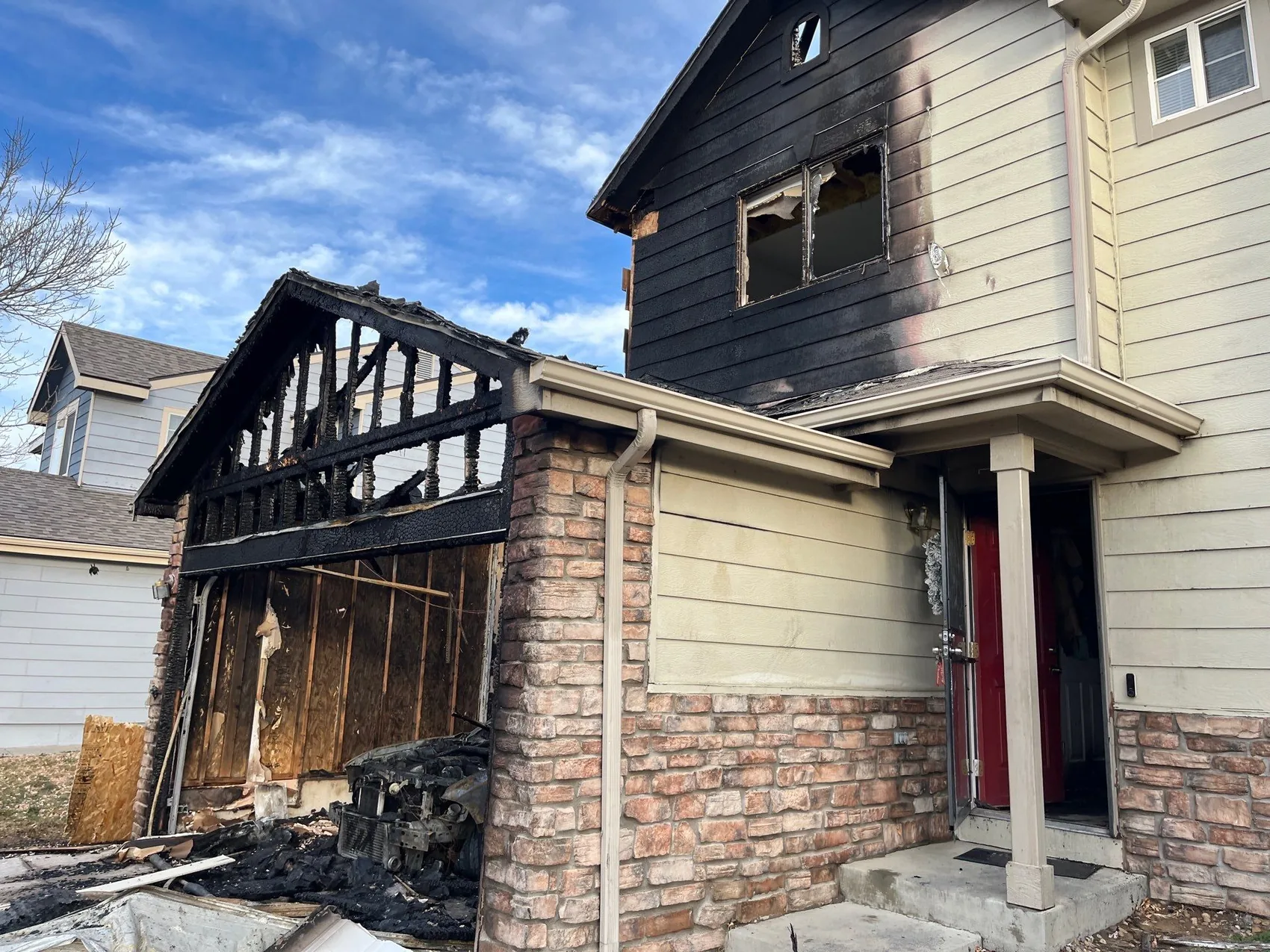
Even a contained fire can leave damage that goes well beyond the visible burn. Here’s what most homeowners don’t realize until a professional assessment.

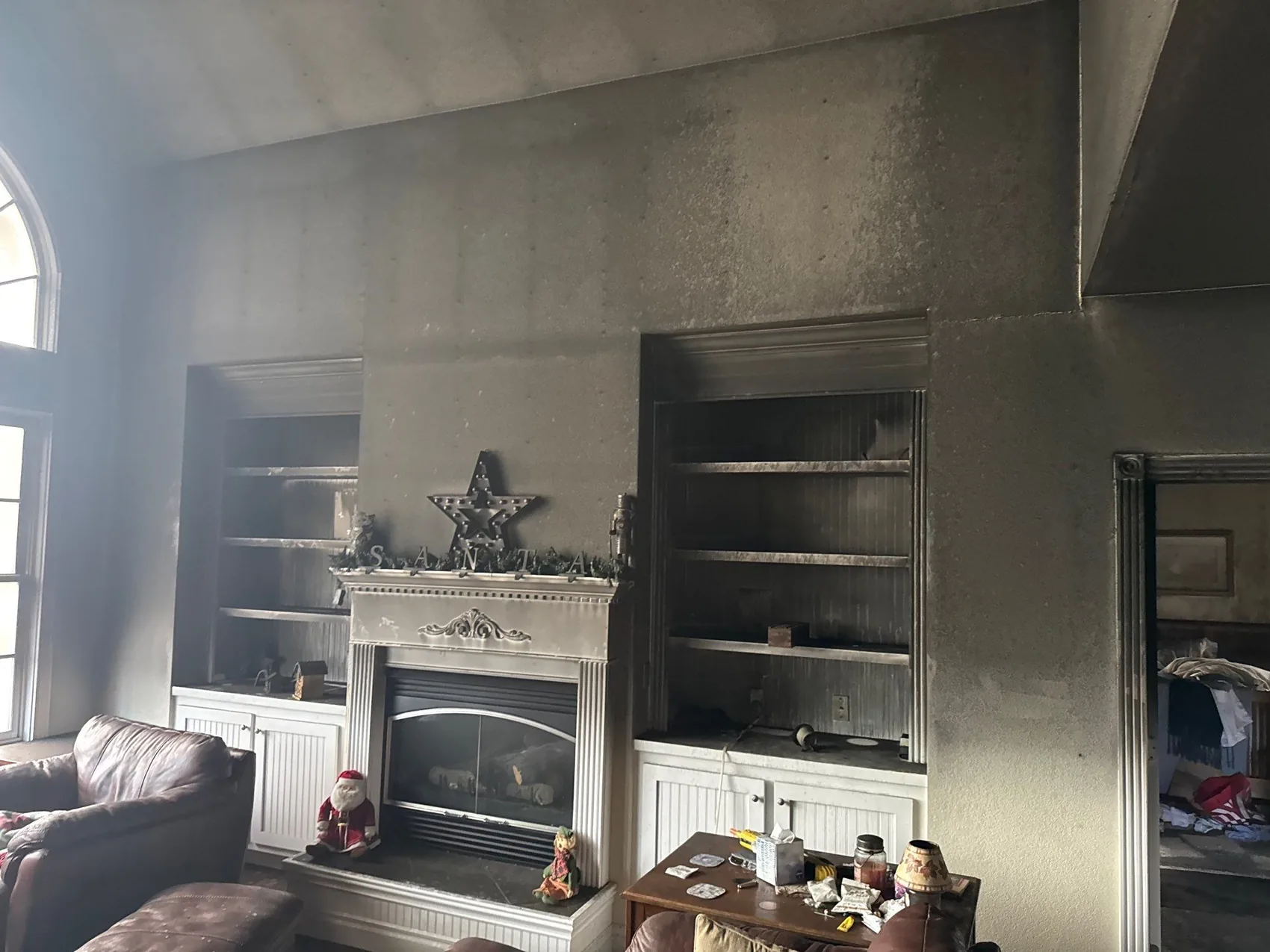
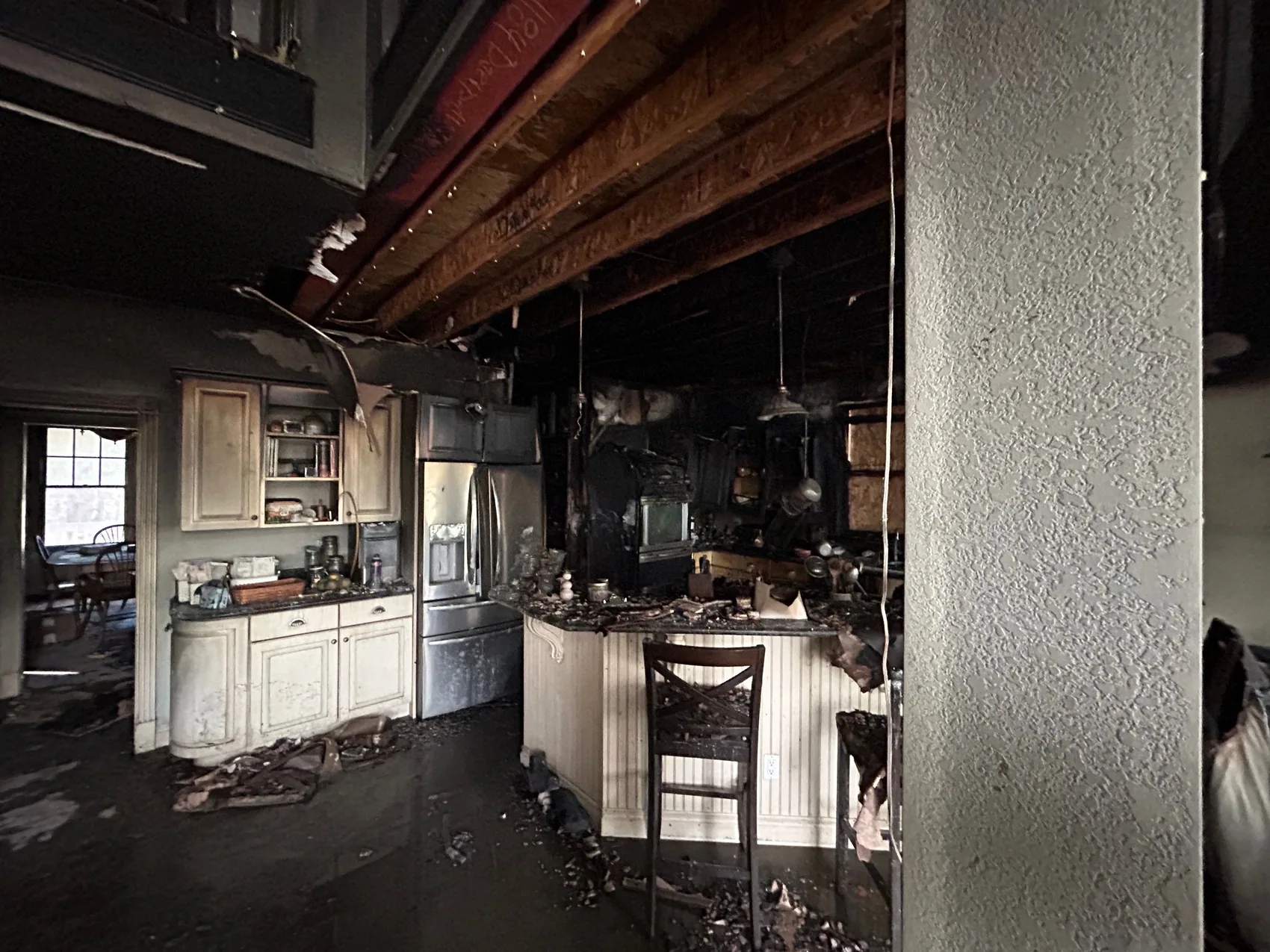
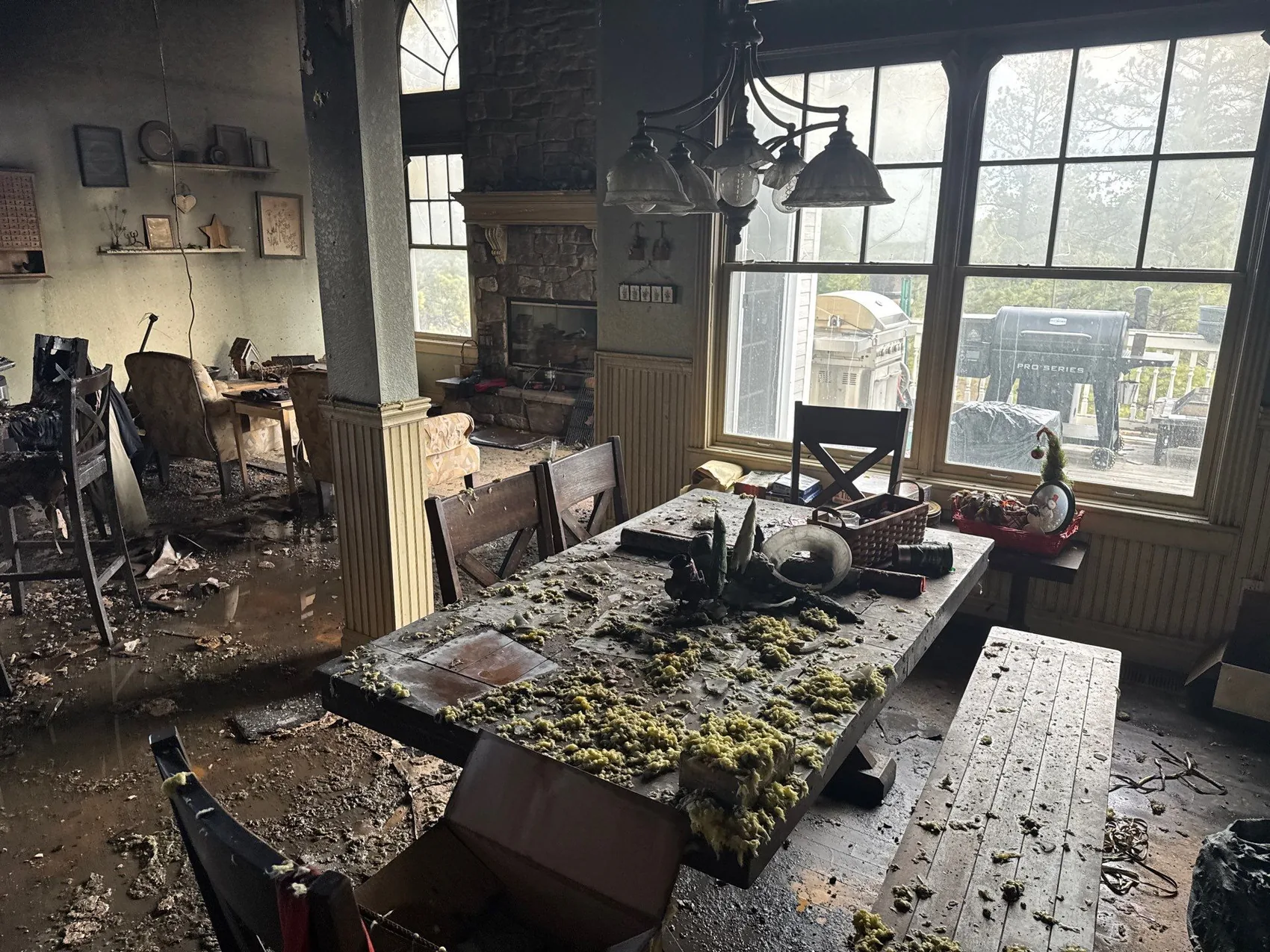
Fire-damaged interior showing smoke and soot contamination -- Forefront fire damage restoration

How does heat affect a building beyond the visible fire?

Heat alone can compromise the integrity of structural materials, including framing, drywall, flooring, and even concrete, beyond what is visibly charred.

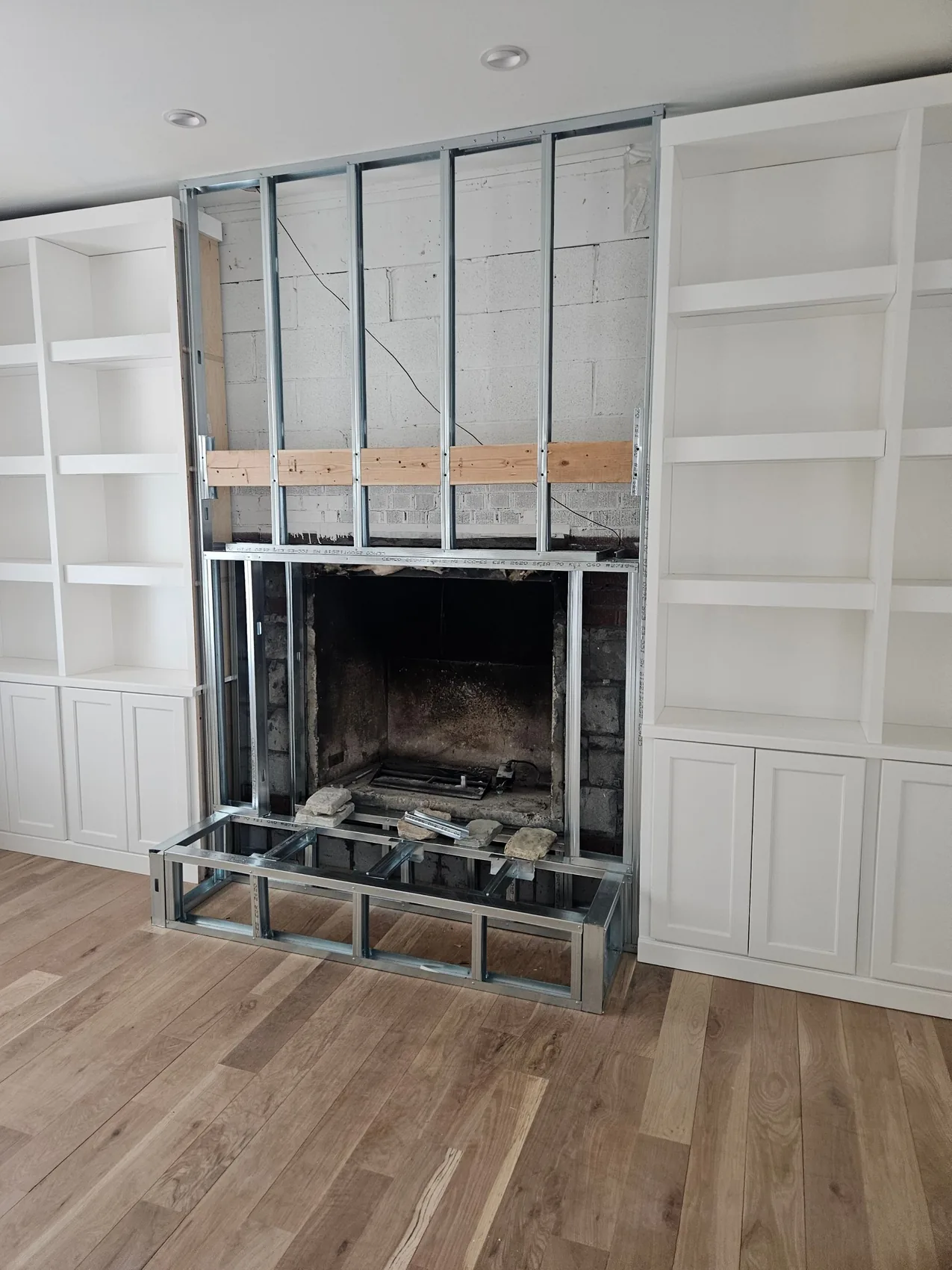
A fire doesn’t have to reach a room to damage it. Depending on severity, portions of the structure that look intact may still need to be removed and rebuilt because the heat weakened them.

Where does smoke travel after a fire?

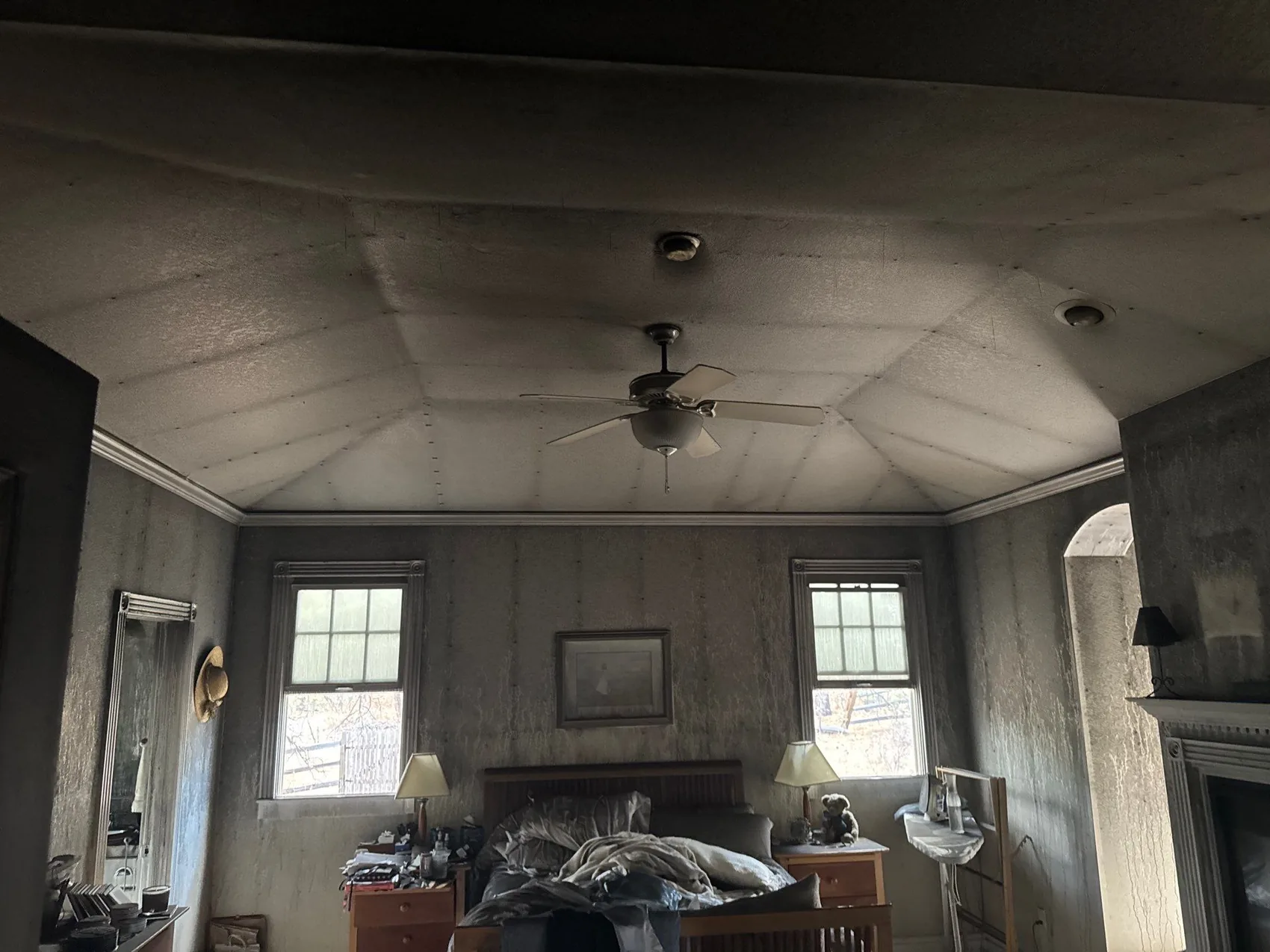
Smoke enters wall and ceiling cavities, often through openings created by the fire or fire department response, and can travel the entire length of a structure into rooms that look untouched.

It’s important to test surfaces throughout structure, even those that appear clean, because smoke contamination isn’t always visible.

Different fires produce different residue: a kitchen grease fire leaves different contamination than a structure fire burning through synthetic materials, which is different again from a wood-burning fire. Each type can require different cleaning approaches.

What about the water from putting the fire out?

The fire department will often saturate a structure to put the fire out, which means restoration frequently includes a full water damage restoration running alongside the smoke cleanup. Dehumidifiers, air movers, and moisture monitoring are standard on most fire jobs.

We handle both.

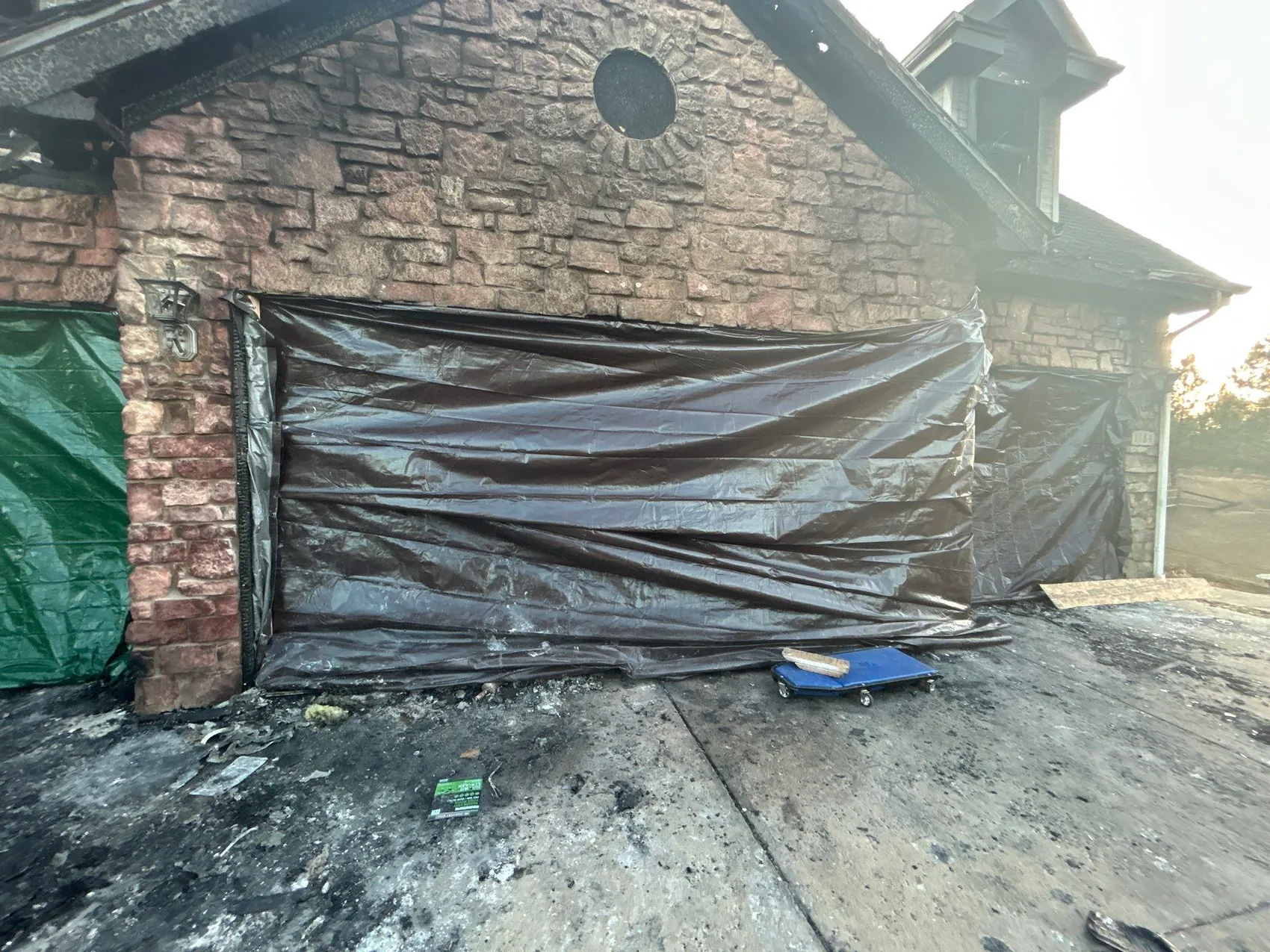
EMERGENCY BOARD-UP AND STABILIZATION

When fire or fire department response compromises windows, doors, walls, or roof sections, the structure needs to be secured right away. Board-up helps prevent weather exposure, vandalism, theft, animal entry, and further deterioration while the restoration plan takes shape.

Forefront Building + Restoration responds 24/7 for emergency board-up across the Front Range, including Colorado Springs, Denver metro, and Northern Colorado.

When Restoration Can't Start Right Away

Can anything be done while cause and origin is being determined?

When insurance is involved, depending on the specifics of the event, your carrier might require a cause and origin investigation before restoration work can begin. This is when a Fire Investigator determines where the fire started and what likely caused it. Until that investigation is complete and liability is assigned, our access and scope of work can be limited.

This gap between the fire and the start of restoration can feel like nothing is happening. It’s not neglect. It’s a required step in the insurance process.

What can be done during the investigation varies from situation to situation. We’ll work with the investigator to keep things moving. During this period, emergency board-up and stabilization (which can include setting drying equipment, temporary power, and heat) are often approved to prevent further damage.

We can walk you through what to expect from the timeline so you’re not guessing, and we stay in contact with insurance and the fire inspector to keep things moving.

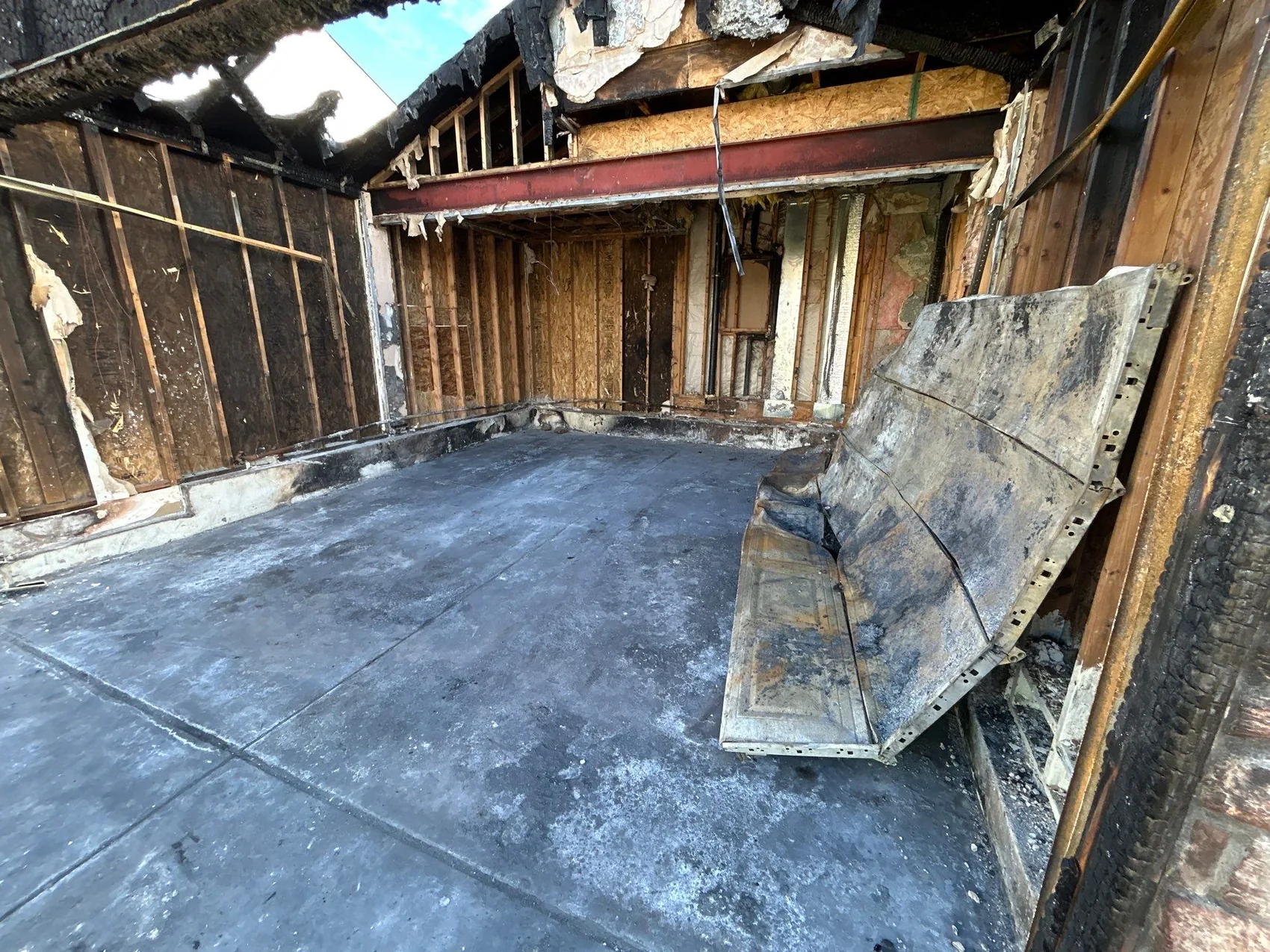
Smoke-and-soot-damaged-kitchen

How We Restore Fire-Damaged Properties

Every fire is different and they come in a variety of sizes, but the general process follows the same structure. Here’s what it looks like from start to finish.

  1. Stabilization, Board-Up, and Shoring
    First we secure the property. This can be as minimal as setting air filtration to deal with airborne contaminants, or as extensive as boarding up openings, tarping exposed roof sections, restoring temporary power, and stabilizing the structure with shoring. If standing water is present from fire suppression, we begin extraction and structural drying at the same time.
  2. Assessment
    Because fires vary significantly in size and impact, a thorough and scientific assessment is required to understand the full scope. This includes asbestos testing if Colorado Regulation 8 triggers are met, and coordinating structural, electrical, plumbing, and HVAC analysis. We organize and manage the entire assessment process.
  3. Demolition
    We remove fire-damaged and smoke-contaminated materials. This includes obvious damage as well as opening wall and ceiling cavities where smoke has traveled so the structure can be properly cleaned.
  4. Smoke and Soot Cleanup
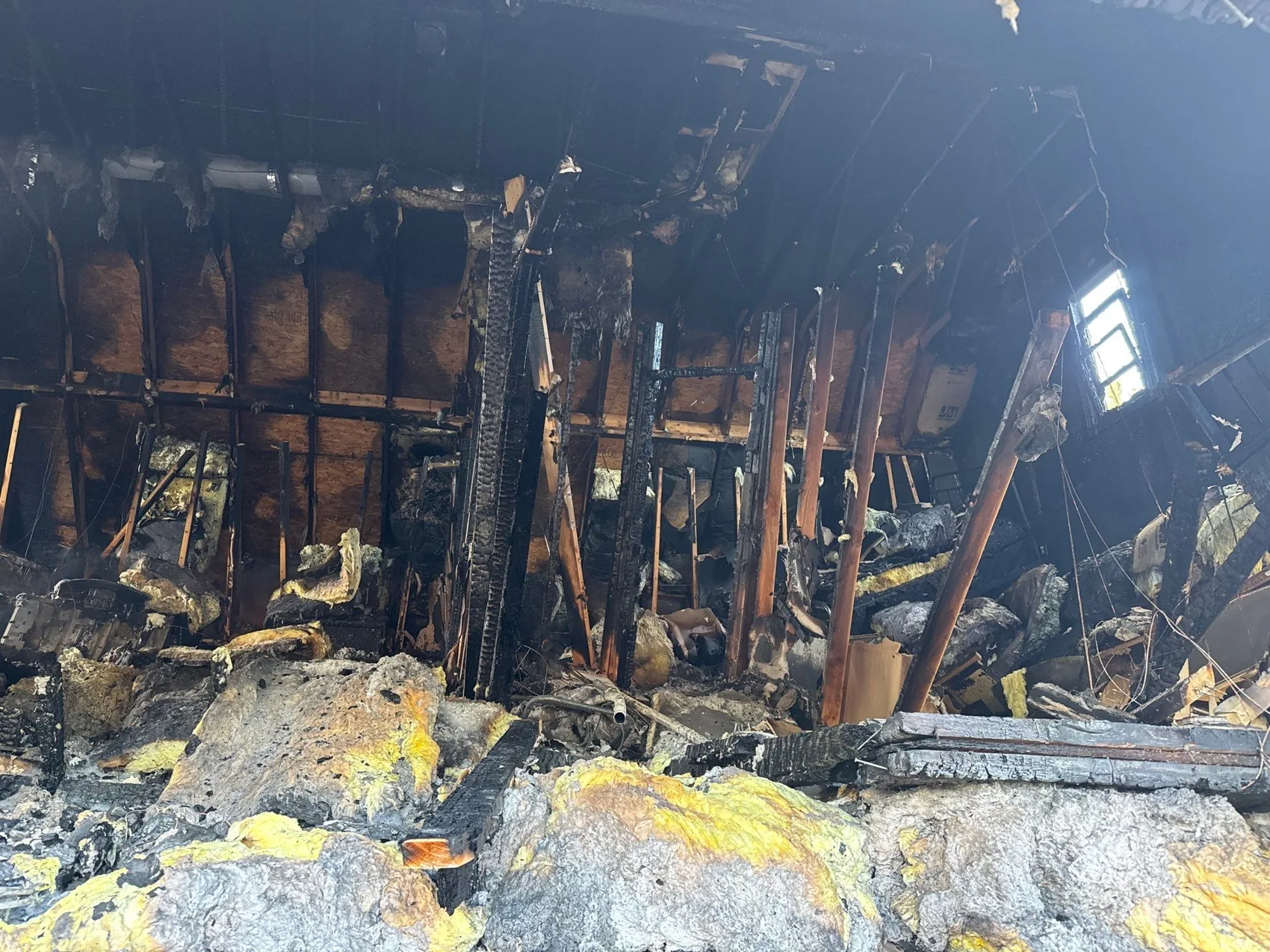
    Every surface affected by smoke gets cleaned, not just the areas that look damaged. This is the most labor-intensive phase, involving physical wipe-down with antimicrobial and degreaser, encapsulation and sealing, HEPA vacuuming, thermal fogging, hydroxyl treatment, and HVAC cleaning.
  5. Structural Restoration and Reconstruction
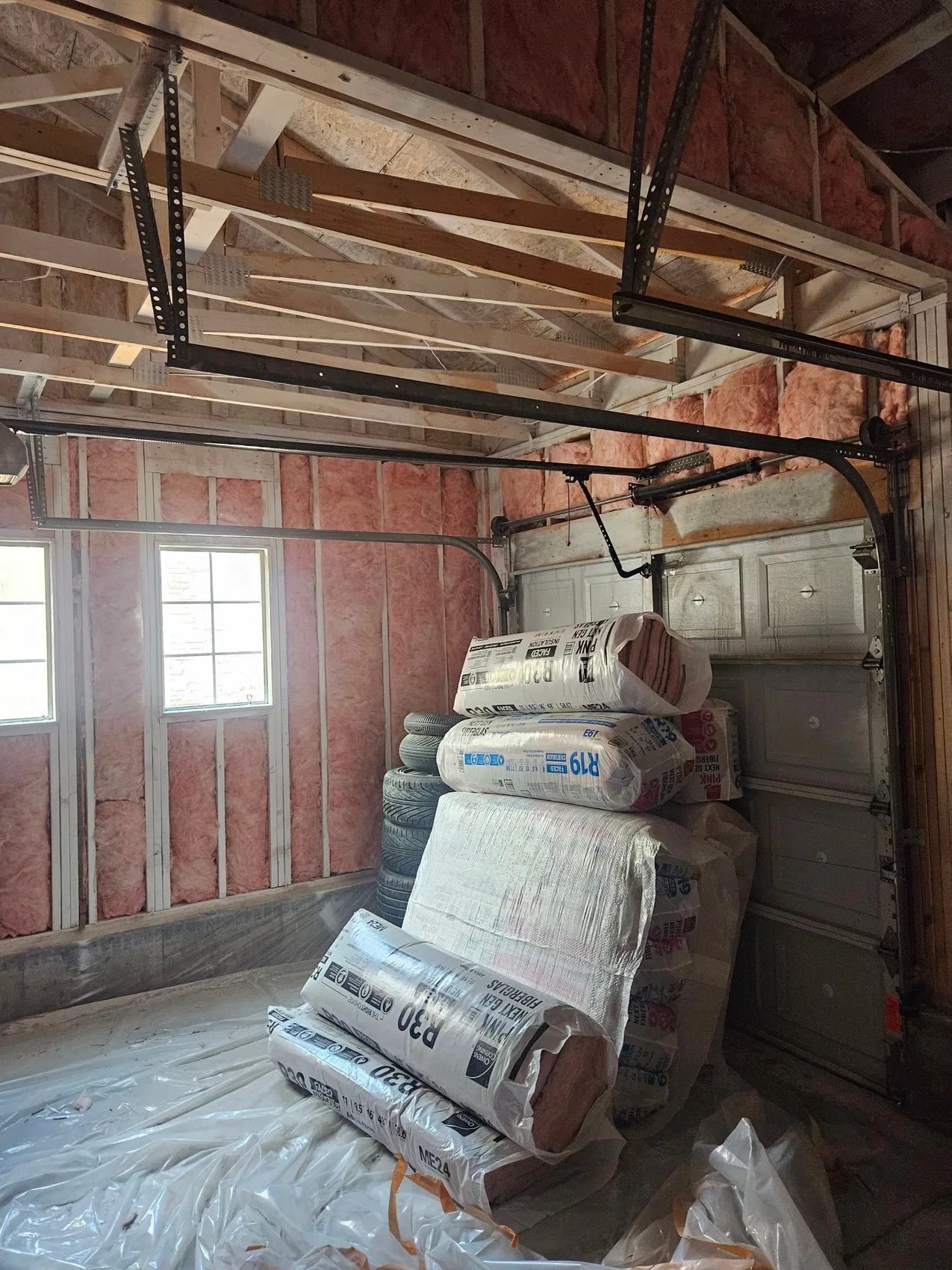
    Once the structure is clean and dry, we rebuild. Framing, drywall, flooring, fixtures, electrical, plumbing, paint. Having mitigation and reconstruction under one roof means we already know the structure from the inside out. No handoff to a separate contractor. More about our reconstruction process
  6. Final Walkthrough
    We do a final inspection with you before we close out the project. Every surface, every repair, every detail reviewed together.
Soot-and-smoke-damaged-room

What About Personal Belongings?

Smoke damages more than the structure. It gets into clothing, furniture, electronics, and irreplaceable personal items.

Content cleaning (the process of cleaning, deodorizing, and restoring personal belongings) requires specialty equipment, facilities, and expertise that we don’t maintain in-house. We have direct relationships with content cleaning specialists and coordinate between the cleaning company, insurance, and you to keep the process moving without adding to your workload.

Fire Damage and Insurance Claims

Does insurance cover fire damage restoration?

Most homeowner policies cover fire, smoke, and soot damage. Standard coverage includes structural repairs, content cleaning, and additional living expenses (ALE) while your home is being restored. If the fire has displaced you, ALE is what can cover temporary housing, meals, and other costs while the work is underway. Check your policy or ask your agent about the specifics of your ALE coverage.

We work with all carriers to make the insurance process as straightforward as possible. Here’s what we’ve learned from two decades of working alongside adjusters:

  • You can file the claim in the morning. It’s important to get insurance involved quickly, but you don’t have to do it tonight. We can help you stabilize the situation, document the damage, and put together an anticipated scope so you can file when you’ve had a moment to think clearly.
  • Documentation is what makes claims go smoothly. We photograph and document conditions before any work begins and throughout the project. Everything is scoped in Xactimate, the same estimating software your insurance company uses, so every line item is transparent and industry-standard.
  • We work in step with your carrier, not ahead of them. We coordinate with consistent communication every step of the way, getting your adjuster what they need and keeping them informed through the project. We know that the easier we make things for your carrier, the better your carrier can take care of you.

We have years of experience working with insurance and adjusters. We understand the claims process from the inside. That perspective helps us gather the right information, submit clean documentation, and keep the process moving without surprises.

Mitigation, Cleanup, and Reconstruction from One Team

Some restoration companies hand you off to a separate contractor for the rebuild. That handoff can create gaps and administrative headaches: different crews, different timelines, details lost in translation.

We handle the full scope, from the emergency board-up to the final coat of paint. The team that walked the damage with you and your adjuster is the same team that finishes the rebuild. No handoff, no re-explaining your situation, no wondering who’s responsible for what.

If another contractor started the demo or cleaning and you need help with the reconstruction, we can step in. We’ve taken the handoff for restoration projects at various stages in the process. We can handle the transition, including insurance coordination, without adding complexity for you.

This is the difference between a company that does mitigation and a company that does restoration. We do both, and we’ve been doing both across the Front Range for over 20 years.

Fire damage smoke cleanup in progress -- Forefront fire damage restoration

What to Expect When You Reach Out

  • You’ll talk to a real person. Not a phone tree, not a form submission. A live dispatcher who can help you figure out what comes next.
  • We’ll ask about your situation. What happened, how extensive the damage appears, whether you’re displaced, and whether you’ve contacted insurance yet.

If you’ve never called a restoration company before, here’s what the first conversation looks like:

  • For emergencies, we can typically have a crew on-site within 90 minutes for board-up and stabilization.
  • For non-emergencies, we’ll schedule a Free Damage Assessment at a time that works for you. We’ll walk the property, assess the scope, and explain your options without obligation.

Common Questions About Fire Damage Restoration

Fire damage can be confusing and overwhelming, so we’ve answered the most common questions homeowners & property managers ask. This section helps you understand what to expect and how our team supports you from start to finish.

We can get started as soon as the fire department clears the scene and it’s safe. Emergency board-up can happen immediately to protect the structure. Full restoration work may need to wait for the cause and origin investigation, but we can start planning and coordinating with your insurance right away.

We don’t necessarily recommend it. Soot and smoke can be a health hazard. Additionally, soot is acidic and can cause permanent staining if wiped with the wrong materials or methods. Smoke also travels into wall cavities, HVAC systems, and behind surfaces where it isn’t visible. Depending on the severity, professional equipment, including chem sponges, air filtration, HEPA vacuums, thermal foggers, and hydroxyl generators, may be required to fully address it.

Most homeowner policies cover fire, smoke, and soot damage. Coverage typically includes structural repairs, content cleaning, and additional living expenses (ALE) while you’re displaced. We capture the full scope in Xactimate so we can coordinate directly with your adjuster. More about insurance →

It depends on the severity and insurance’s involvement. A contained kitchen fire with minimal smoke damage might only take a day or two. A structure fire requiring demolition, cause and origin investigation, and full reconstruction can take several months. We can give you a realistic timeline after the initial assessment or a phone call.

Some restoration companies listen to scanners and send people to knock on doors after, or even during, a fire. We don’t do this. We get our fire work through relationships with insurance agents, adjusters, and past customers. We only show up when invited to help.

Fire suppression water is one of the most common surprises after a fire. Hoses saturate a structure, and that water needs to be extracted and dried using the same process as any water damage restoration. We run drying equipment (dehumidifiers, air movers) alongside the smoke and fire damage cleanup. More about water damage restoration →

That is always the goal. We use a combination of encapsulation, thermal fogging, hydroxyl treatment, demolition, and surface cleaning to address smoke odor at the source. Different smoke types (protein, synthetic, wood) require different approaches. We test surfaces throughout the process to confirm the residue and odor are resolved.

We manage as much of the insurance coordination as we can on your behalf. While there are portions only you can handle, we take on the documentation, adjuster communication, Xactimate scoping, and supplement filing. We know that the easier we make things for your carrier, the better your carrier can take care of you.

No. Not every fire requires an insurance claim, and sometimes it makes more sense to handle it out of pocket, especially for smaller incidents where the damage is close to or below your deductible. We can assess the scope and give you a realistic estimate so you can make that decision with clear information. If you do go through insurance, we handle the coordination. If you don’t, we work directly with you on scope and pricing.

Not Sure What Comes Next?

That’s normal after a fire. The situation is overwhelming, the insurance process is unfamiliar, and you’re probably fielding calls from people you’ve never heard of offering to help.

Start with a conversation. We’ll walk through what you’re dealing with and give you honest options, including whether filing an insurance claim makes sense for your situation. No pressure, no obligation, no cost.

Fire Restoration Across Colorado's Front Range

Colorado’s fire risk isn’t limited to wildfire season. Kitchen fires, electrical fires, and heating system failures happen year-round. Colorado’s dry climate means fire can spread and smoke can penetrate faster than in more humid environments.

We serve the full Front Range from our offices in Centennial and Colorado Springs, covering:

  • Colorado Springs and the Pikes Peak region, including Woodland Park, Monument, and Fountain
  • Denver Metro including Denver, Cherry Creek, Parker, Centennial, Castle Rock, Highlands Ranch, Englewood, Lone Tree, Aurora, Lakewood, Greenwood Village, Commerce City, Littleton, Arvada, Golden, Wheat Ridge, Thornton, Westminster, Broomfield, Northglenn, Brighton, Superior, Boulder
  • Northern Colorado including Fort Collins, Loveland, Longmont, Windsor, Erie, Lafayette, Louisville